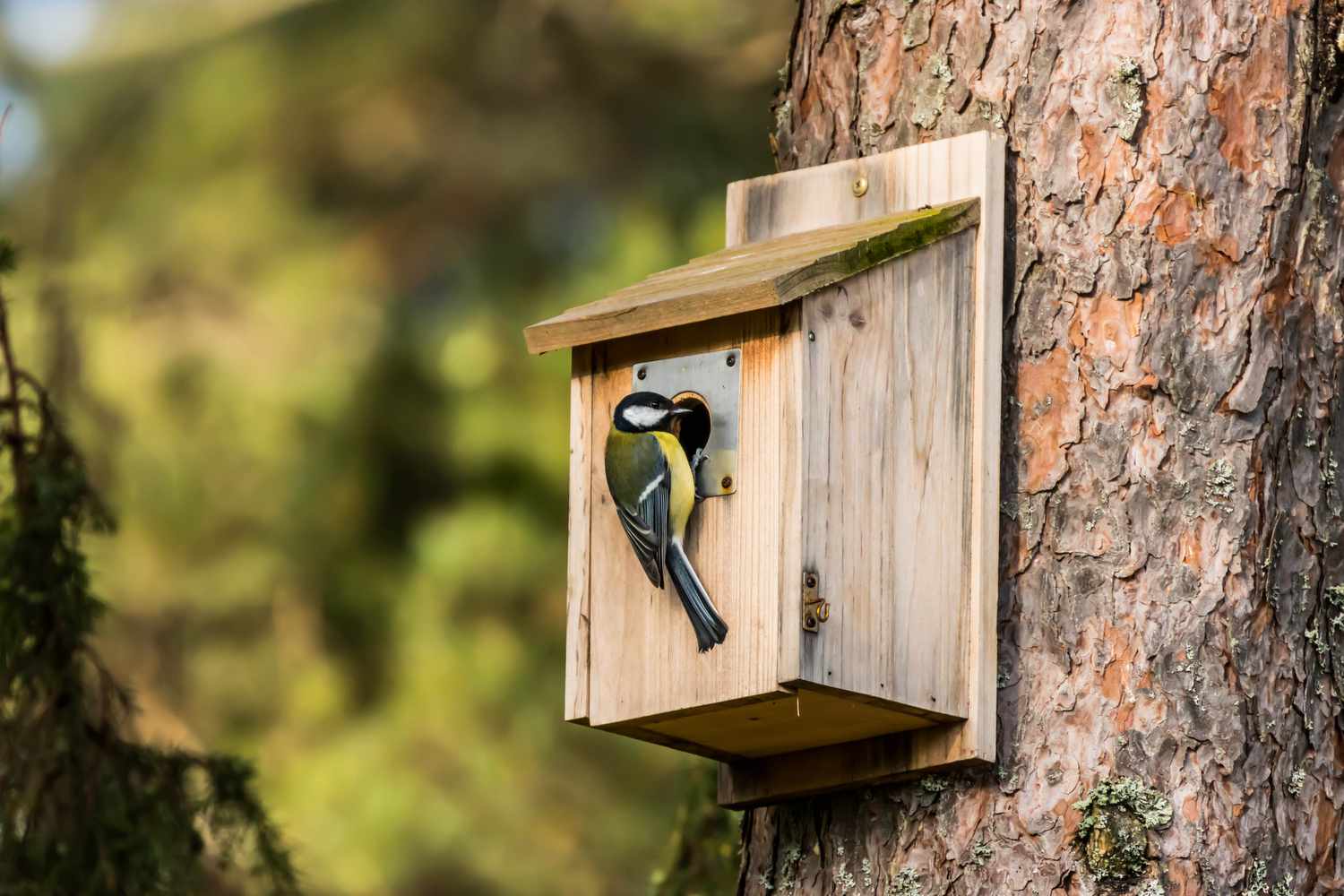
In the town of Wokingham, something remarkable is happening in a nondescript community workshop. The air smells of sawdust and wood glue, and the sound of power tools is punctuated by laughter and the occasional curse. This is not a professional joinery, but a project that is quietly changing the lives of both teenagers and local wildlife.
Advertisement
A group of young people, some with an interest in woodwork, others just looking for something to do, are building homes. Not for people, but for the creatures that share their urban environment. Bird boxes, of course, but also hedgehog houses, bug hotels, and bat roosts. They are learning to measure, to saw, to assemble, and to finish. They are learning that their hands can create things of value.
The project began with a simple observation: that many young people have lost touch with practical skills. In a world of screens and instant gratification, the ability to make something from scratch, to follow a plan and solve a problem with wood and nails, is becoming rare. At the same time, urban wildlife is struggling. Gardens are paved over, hedgerows are removed, and nesting sites are disappearing. The teenagers in Wokingham are helping to fill the gap.
The results have been astonishing. In their first year, they built and installed over 755 habitats across the town. They have learned to tailor their designs to different species – a small hole for a blue tit, a larger one for a starling, a dark, sheltered space for a hedgehog to hibernate. They have learned about the needs of the creatures they are helping, turning a woodwork class into a lesson in ecology and conservation.