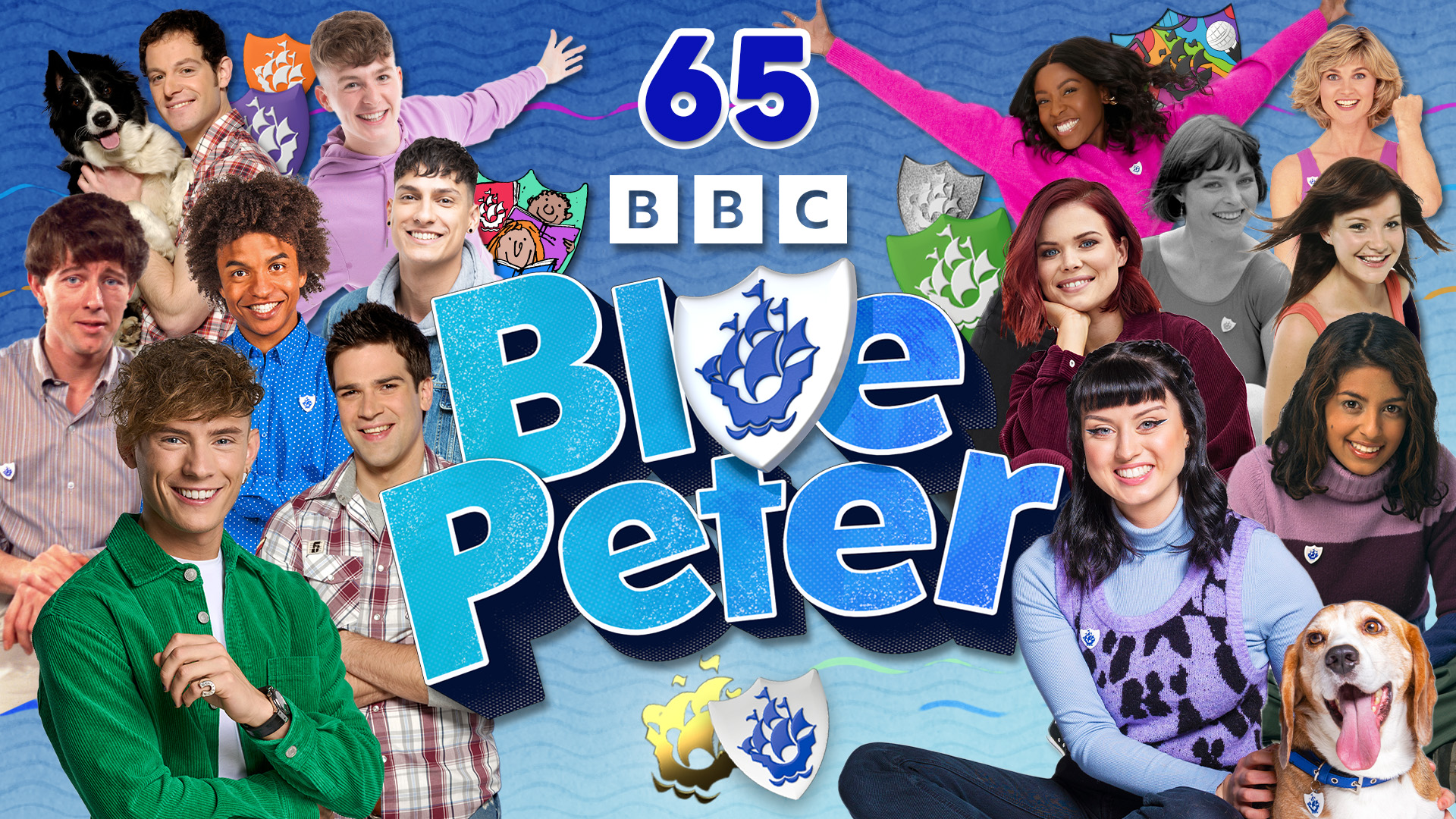
For sixty-five years, a simple, slightly chaotic television programme has been quietly shaping the creative lives of British children. It has no flashy graphics, no celebrity judges, no expensive prizes. It has a garden, a shed, a pet, and a stack of sticky-backed plastic. It is Blue Peter, and it is a national treasure.
Advertisement
The formula is deceptively simple. A group of presenters, usually two women and a man, introduce a series of items: a film about a child with an unusual hobby, an interview with a famous person, and, of course, the “make.” It is the make that has become legendary. From the infamous Tracy Island (made from washing-up bottles and papier-mâché, and famously sold out of all necessary materials after the show aired) to advent crowns, Christmas decorations, and models of the latest Blue Peter badge, generations of children have been sent scrambling for sticky tape and cereal boxes.
The genius of the Blue Peter make is its accessibility. The items are made from household junk: kitchen roll tubes, egg cartons, old yoghurt pots. The message is clear: you don’t need expensive materials to be creative. You just need imagination, patience, and a bit of Blue Peter know-how. The presenters, often wrestling with recalcitrant glue or collapsing cardboard, are reassuringly fallible. If they can do it, so can you.