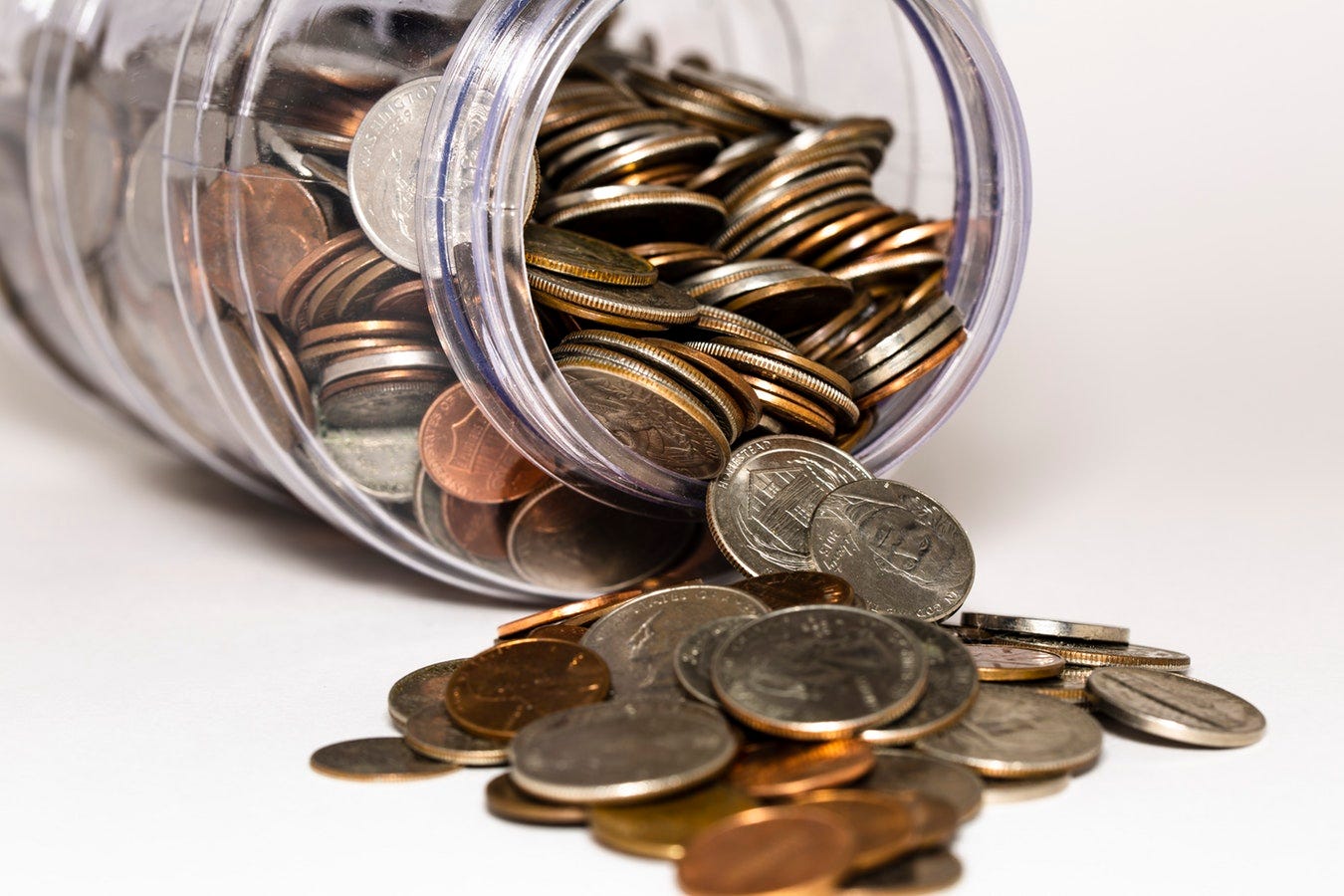
There is a quiet corner of the economy that rarely makes the headlines. It deals in tiny things: stamps no bigger than a fingernail, coins that jingle in a pocket, postcards with faded messages from a century ago. It is the world of nostalgic hobbies, and it is worth a surprising amount of money.
Advertisement
We tend to think of collecting as a harmless eccentricity, a way for retired gentlemen to pass the time. But the market for collectables is vast and serious. Rare stamps can sell for hundreds of thousands of pounds. A single coin can be worth a small fortune. A first-edition book, a vintage toy, a piece of railway memorabilia – these are not just dusty relics; they are assets.
The appeal of these peculiar pastimes is complex. Part of it is the thrill of the hunt. The search for a missing stamp, the rummage through a box of junk at a car boot sale, the hope of finding a treasure disguised as trash. It is a detective story played out in attics and auction houses.
Part of it is the connection to history. A stamp from a long-vanished empire, a coin minted in the year of a great battle, a postcard sent from the trenches – these objects are tangible links to the past. They carry stories. They are history you can hold.