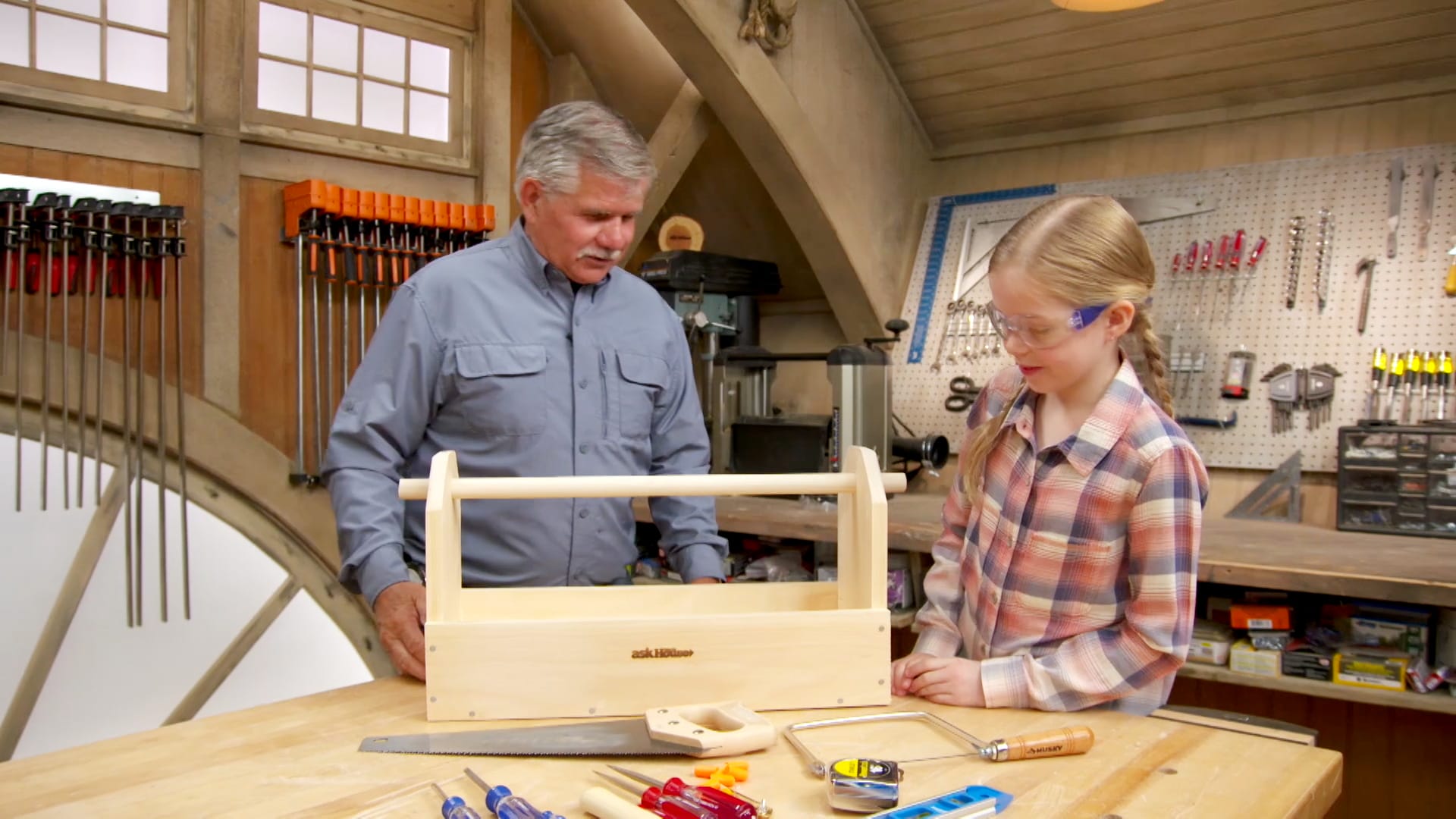
In a community workshop in Wokingham, a teenager is learning to use a hammer. It sounds simple, but it is a skill that is becoming increasingly rare. For the first time, he is driving a nail into a piece of wood, feeling the satisfying thud of the hammer connecting, watching the nail disappear into the grain. He is building a bird box, but he is also building something more important: competence, confidence, and a connection to a tradition of making.
Advertisement
This is the Toolbox for the Future project, and it is one of a growing number of initiatives across the country designed to teach practical skills to a new generation. The need is urgent. For decades, practical subjects have been downgraded in schools, squeezed out by an academic curriculum that prioritises exams over experience. The result is a generation of young people who can code but cannot cook, who can navigate a smartphone but cannot change a plug.
The consequences of this skills gap are already being felt. Employers in construction, manufacturing, and the trades struggle to find young people with basic practical abilities. At home, young adults are unable to perform the simplest repairs, relying on expensive professionals or, worse, attempting dangerous DIY with inappropriate tools.