Home Shed Life
Category:

Shed Life

Advertisement

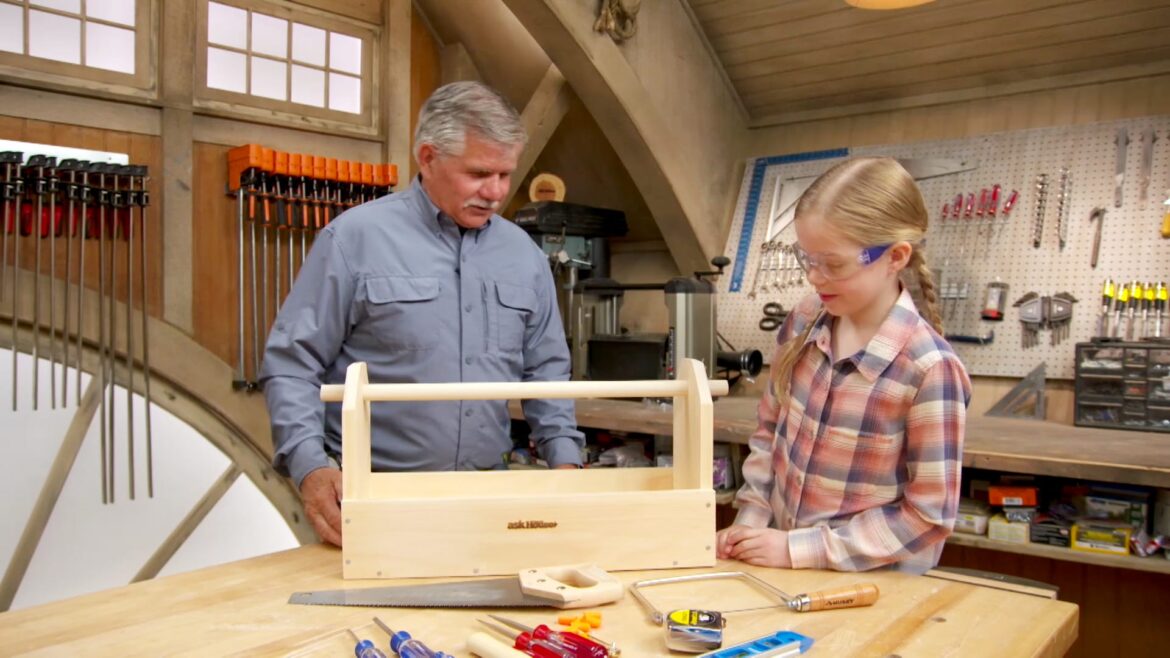
In a community workshop in Wokingham, a teenager is learning to use a hammer. It sounds simple, but it is a skill that is becoming increasingly rare. For the first time, he is driving a nail into a piece of wood, feeling the satisfying thud of the hammer connecting, watching the nail disappear into the grain. He is building a bird box, but he is also building something more important: competence, confidence, and a connection to a tradition of making.

This is the Toolbox for the Future project, and it is one of a growing number of initiatives across the country designed to teach practical skills to a new generation. The need is urgent. For decades, practical subjects have been downgraded in schools, squeezed out by an academic curriculum that prioritises exams over experience. The result is a generation of young people who can code but cannot cook, who can navigate a smartphone but cannot change a plug.

The consequences of this skills gap are already being felt. Employers in construction, manufacturing, and the trades struggle to find young people with basic practical abilities. At home, young adults are unable to perform the simplest repairs, relying on expensive professionals or, worse, attempting dangerous DIY with inappropriate tools.

Pages: 1 2

Advertisement

The official working day began at nine. But by nine-fifteen, the laptop was on the kitchen table, the emails were loading, and the shed was calling. Just a quick look. Just to check on the seedlings. Just to tidy up a bit. Twenty minutes later, hands covered in compost, the secret gardener returns to the screen, hoping the video conference hasn’t started yet. This is the reality of hybrid working for thousands of Britons.

The phenomenon is widespread, if rarely admitted. With the boundaries between work and home blurred, the temptations of the garden have become harder to resist. A quick trip to the shed for a tool becomes a half-hour of potting. A glance out the window at a sunny day becomes a sudden urge to mow the lawn. The work is still there, waiting, but the garden offers a more immediate, more tangible satisfaction.

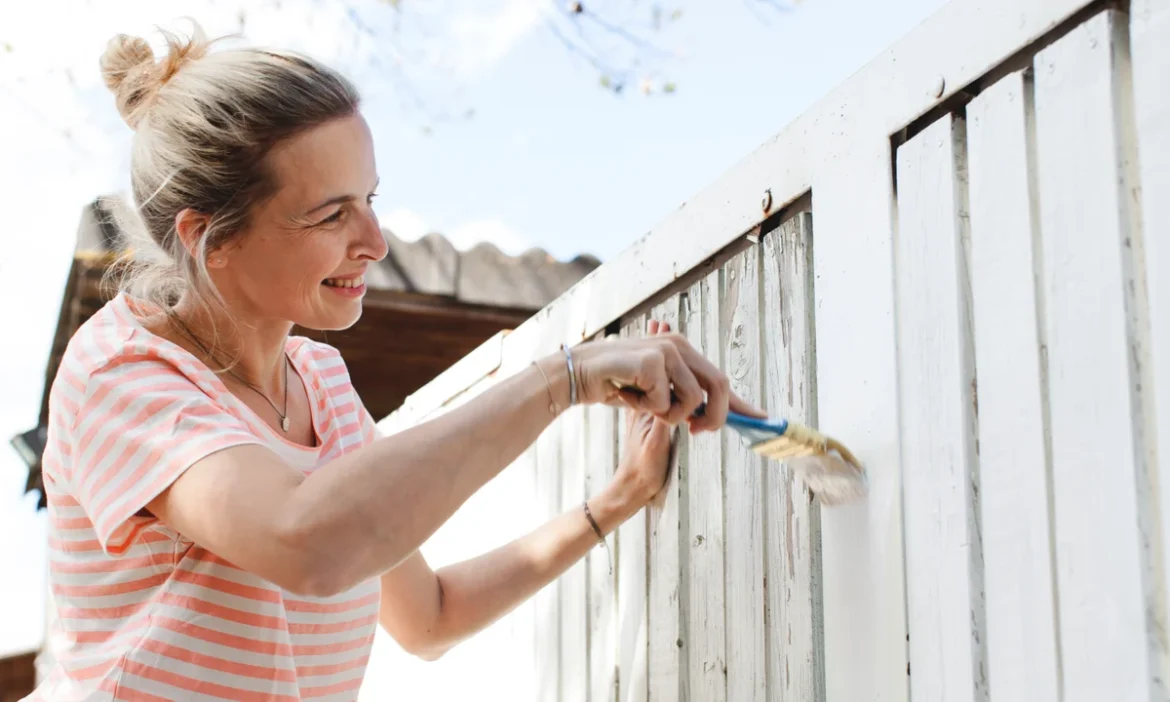
The confessions are whispered among friends. “I planted three rows of carrots during a particularly dull webinar.” “I painted the fence in my lunch break.” “I’ve been ‘working from home’ for two years, and my shed is now better equipped than my home office.” There is a hint of guilt in these confessions, but also a touch of pride. They have stolen time from the corporation and given it to themselves, to their garden, to their sanity.

Pages: 1 2

Advertisement

It is a structure of profound cultural significance, often overlooked, sometimes mocked, but deeply loved. The garden shed. For generations, it was the domain of the husband, a place to escape the domestic fray, to potter, to store rusty tools, and to think. But the shed has evolved. It has undergone a metamorphosis as dramatic as any in the natural world. It has become a home bar.

This is the great British shed transformation. All across the land, sheds are being cleared of their cobwebs and clutter, insulated, wired for electricity, and fitted with bar stools. The lawnmower has been evicted; the cocktail shaker has moved in. The shed is no longer a place of storage; it is a place of entertainment.

The reasons for this transformation are not hard to find. A home bar offers the pleasures of a night out without the cost, the travel, or the need to find a babysitter. It is your own private pub, with your own choice of music, your own selection of drinks, and your own guest list. It is a space that is separate from the house, a destination in the garden, a place where the rules of domestic life can be relaxed.

Pages: 1 2

Advertisement

There is a particular smell that greets you at the entrance of a B&Q warehouse. It is a complex aroma of fresh timber, paint, fertilizer, and optimism. It is the smell of possibility. And over the past few years, millions of Britons have been drawn to it, filling their trolleys with plasterboard, paintbrushes, and power tools. The DIY boom is real, and it has transformed our relationship with our homes.

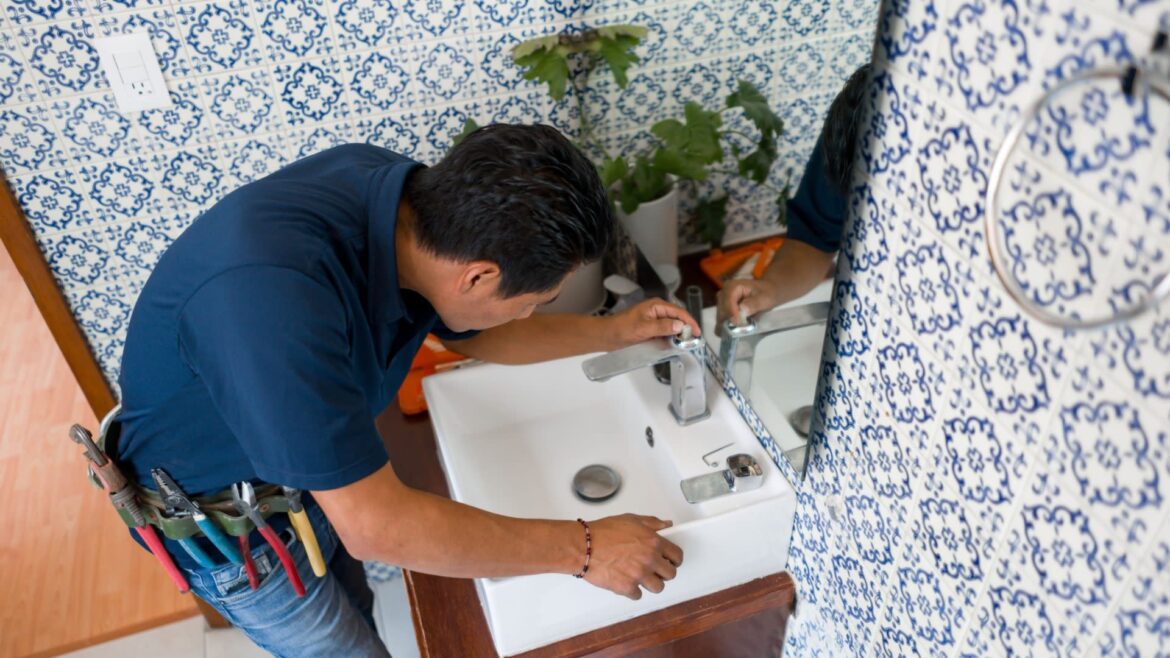
The boom had many fathers. The lockdowns, of course, played a huge part. With nowhere to go and nothing to do, we turned our attention to our immediate surroundings. That leaking tap we had ignored for years suddenly became a project. The bare wall in the hallway called out for a gallery of our own making. The garden, once a place for occasional sitting, became a landscape to be shaped and tamed.

But the trend predates the pandemic. It is rooted in a deeper shift in how we view our homes. They are no longer just places to eat and sleep; they are expressions of ourselves. We want them to be unique, to reflect our tastes, to tell our story. And the only way to achieve that, for most of us, is to do it ourselves. We cannot afford an interior designer, but we can afford a weekend and a pot of paint.

Pages: 1 2

Advertisement

Let us paint a picture. It is a Saturday afternoon. A young homeowner, let’s call him Tom, has decided to hang a shelf. He has no drill, so he uses a hammer and a large screwdriver. The screwdriver slips, gouging a chunk out of the plasterboard. Undeterred, he attempts to hammer the screw in directly. The plasterboard crumbles. The shelf will not stay up. He stands back, surveys the damage, and considers using superglue. This is the face of the modern DIY disaster.

It is a scene being repeated in homes across Britain, and the culprit is not a lack of effort, but a lack of tools and know-how. Research has shown that a significant proportion of adults under 40 do not own a basic toolkit. When something breaks, they improvise. And improvisation, in the world of home maintenance, is a recipe for disaster.

The stories are legendary. The kitchen knife used as a screwdriver (and subsequently broken). The rolling pin used as a hammer (the rolling pin lost). The credit card used to scrape paint (the credit card snapped). The washing machine repair attempted with a butter knife and a prayer (the washing machine now irreparable). These are not just tales of domestic incompetence; they are expensive mistakes.

Pages: 1 2

Advertisement