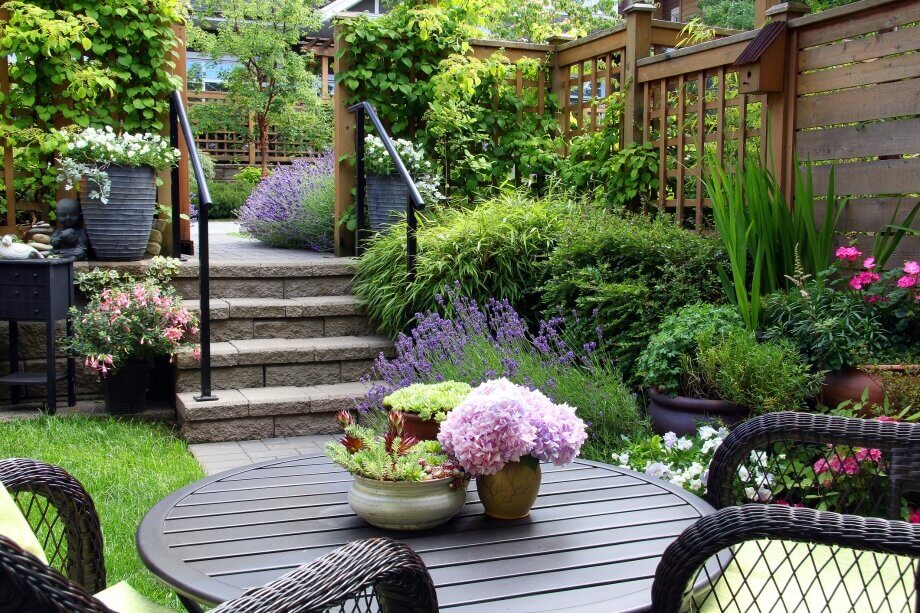
The official working day began at nine. But by nine-fifteen, the laptop was on the kitchen table, the emails were loading, and the shed was calling. Just a quick look. Just to check on the seedlings. Just to tidy up a bit. Twenty minutes later, hands covered in compost, the secret gardener returns to the screen, hoping the video conference hasn’t started yet. This is the reality of hybrid working for thousands of Britons.
Advertisement
The phenomenon is widespread, if rarely admitted. With the boundaries between work and home blurred, the temptations of the garden have become harder to resist. A quick trip to the shed for a tool becomes a half-hour of potting. A glance out the window at a sunny day becomes a sudden urge to mow the lawn. The work is still there, waiting, but the garden offers a more immediate, more tangible satisfaction.
The confessions are whispered among friends. “I planted three rows of carrots during a particularly dull webinar.” “I painted the fence in my lunch break.” “I’ve been ‘working from home’ for two years, and my shed is now better equipped than my home office.” There is a hint of guilt in these confessions, but also a touch of pride. They have stolen time from the corporation and given it to themselves, to their garden, to their sanity.