Home Outdoors
Category:

Outdoors

Advertisement

There is a particular quality to a British sunset in late summer. The light softens, turns golden, and stretches the shadows long across the grass. The air cools, and the smells of the day – cut grass, warm earth, the last of the barbecue smoke – become more distinct. And more and more of us are choosing to be at home to see it.

The evening garden has become a destination in itself. The day’s work is done, the demands are paused, and there is a precious hour or two of daylight left. Instead of heading out, we are heading into the garden. We are lighting the fire pit, opening a bottle of something cold, and simply watching the day end.

There is a romance to this that is hard to overstate. It is a deliberate act of slowing down, of carving out a space for stillness in a busy life. We are so often rushing towards the next thing, the next appointment, the next obligation. To sit and watch the sun go down is to refuse to rush. It is to declare that this moment is enough.

The fire pit is the catalyst. It provides warmth as the temperature drops, but it also provides a focus. We are drawn to fire. We stare into it, mesmerised. It encourages conversation that is slower, deeper, more reflective than the chatter of a dinner table. Or it encourages comfortable silence, the kind that only exists between people who don’t need to fill every moment with words.
Pages: 1 2

Advertisement

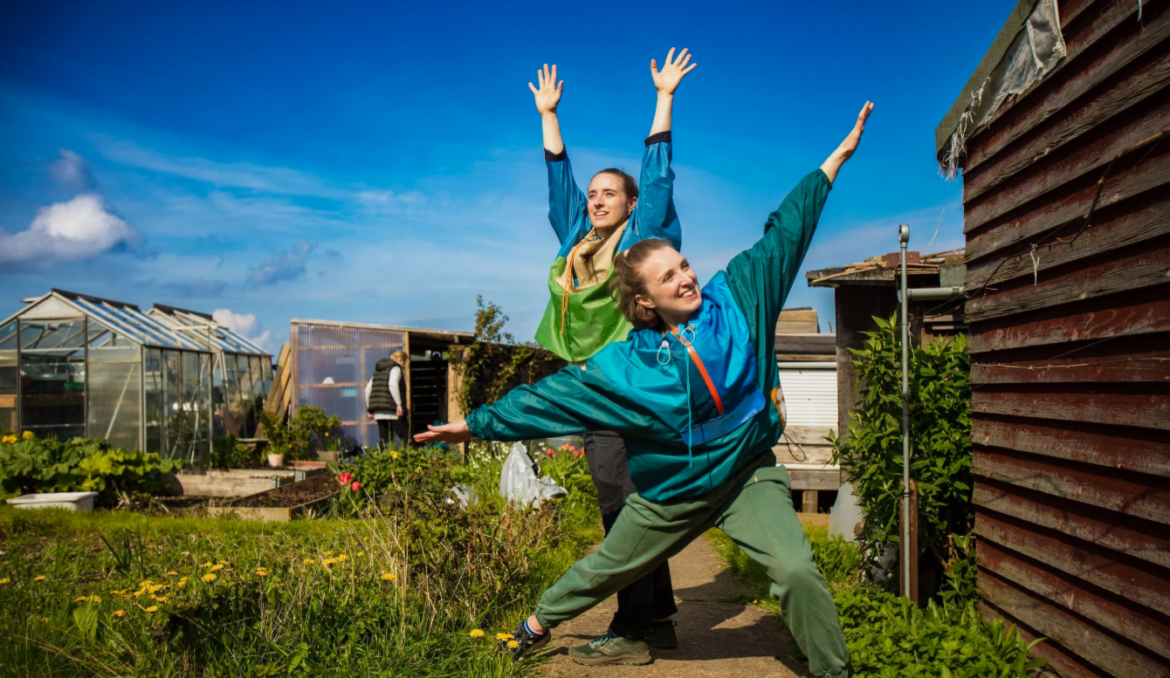
There is a waiting list for almost everything in modern Britain: GP appointments, driving tests, decent rental properties. But one of the longest and most patient waits is for a small patch of land, usually about 250 square metres, often with a slightly dilapidated shed and a shared water tap. The allotment.

To the uninitiated, an allotment might look like hard work. It is digging, weeding, battling slugs, and hauling heavy watering cans. It is a space that demands constant attention and offers no guarantee of a decent crop. And yet, the demand for these plots has never been higher. The allotment revolution is real, and it is about much more than cheap vegetables.

An allotment is a place of escape. For the duration of a few hours, you are not an employee, a parent, a partner, or a taxpayer. You are simply a gardener. Your only concerns are the weather, the soil, and the progress of your runner beans. It is a form of therapy that requires physical effort and yields tangible results. The worries of the office, the stress of the news cycle, the endless admin of daily life – they all fade away as you dig a straight trench or tie in your tomato plants.

It is also a place of profound community. The allotment site is a village in miniature, with its own customs, its own politics, and its own characters. There is the old-timer who has grown prize-winning leeks for forty years and is happy to share advice (whether you want it or not). There is the young family learning to grow food for the first time. There is the couple who spend every weekend in their shed, drinking tea and watching the world go by. You share tips, you swap seedlings, you commiserate over blight, and you celebrate a particularly fine marrow.

Pages: 1 2

Advertisement

In the town of Wokingham, something remarkable is happening in a nondescript community workshop. The air smells of sawdust and wood glue, and the sound of power tools is punctuated by laughter and the occasional curse. This is not a professional joinery, but a project that is quietly changing the lives of both teenagers and local wildlife.

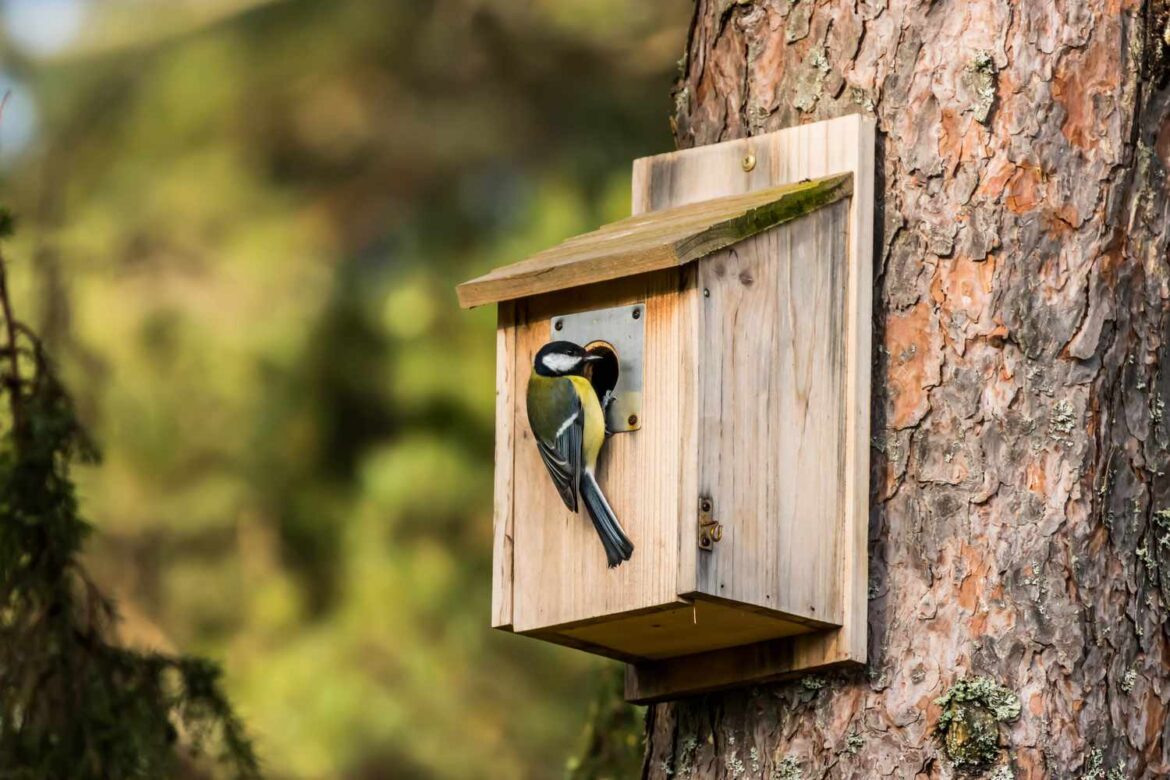
A group of young people, some with an interest in woodwork, others just looking for something to do, are building homes. Not for people, but for the creatures that share their urban environment. Bird boxes, of course, but also hedgehog houses, bug hotels, and bat roosts. They are learning to measure, to saw, to assemble, and to finish. They are learning that their hands can create things of value.

The project began with a simple observation: that many young people have lost touch with practical skills. In a world of screens and instant gratification, the ability to make something from scratch, to follow a plan and solve a problem with wood and nails, is becoming rare. At the same time, urban wildlife is struggling. Gardens are paved over, hedgerows are removed, and nesting sites are disappearing. The teenagers in Wokingham are helping to fill the gap.

The results have been astonishing. In their first year, they built and installed over 755 habitats across the town. They have learned to tailor their designs to different species – a small hole for a blue tit, a larger one for a starling, a dark, sheltered space for a hedgehog to hibernate. They have learned about the needs of the creatures they are helping, turning a woodwork class into a lesson in ecology and conservation.

Pages: 1 2

Advertisement

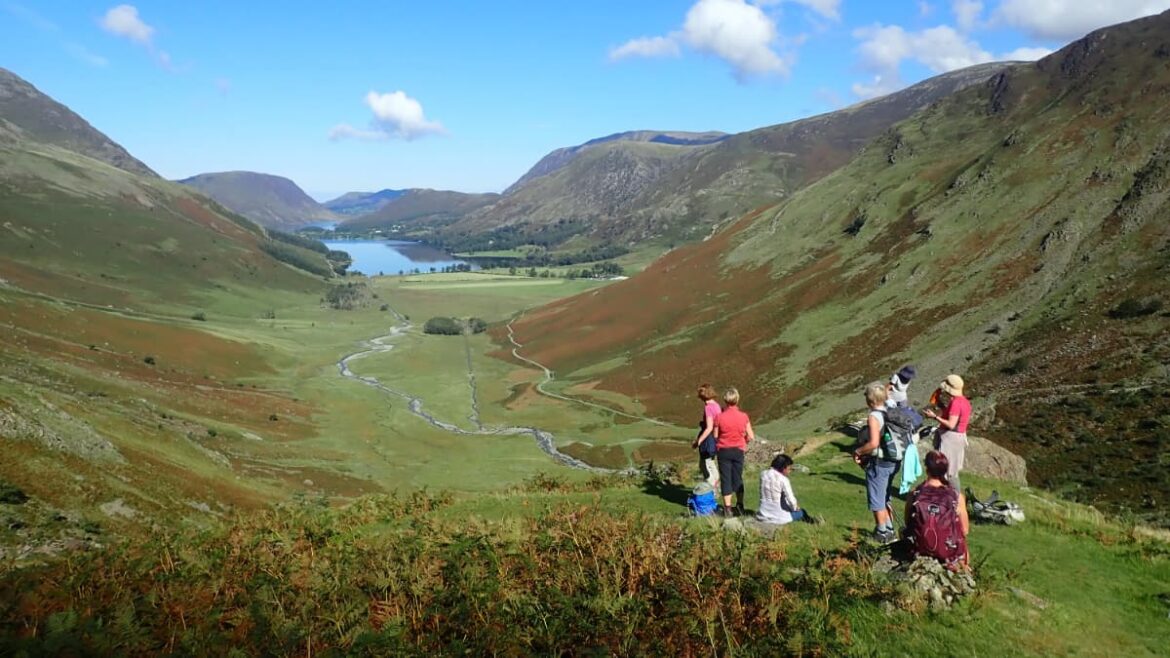
There was a time, not so long ago, when the idea of a “walk” was considered deeply unappealing by a significant portion of the population. It was something your parents made you do on wet Sunday afternoons, a punishment involving damp anoraks, soggy sandwiches, and the vague threat of cow-related injury. It was, in a word, boring. Especially compared to Netflix.

And yet, something curious has happened. The walk is back. Not just a stroll to the shops, but the full-blown, map-consulting, boot-wearing, flask-of-tea-in-the-car-park ramble. The great British countryside, which for years played second fiddle to the attractions of the sofa, is once again drawing crowds.

The reasons for this quiet return are complex. Part of it is a reaction to the digital saturation of our lives. We spend our days staring at screens, our thumbs scrolling, our minds flickering between notifications. A walk offers a complete digital detox. Out on the moors, or in the depths of a wood, there is no signal, no email, no urgent demand for your attention. There is only the path, the sky, and the sound of your own feet on the ground.

The National Trust, that great guardian of the British landscape, has seen its membership swell. Its car parks are full on weekends. Its tea rooms have queues out the door. It is not just about exercising; it is about reconnecting with something fundamental. We are, after all, a nation shaped by our landscape. The rolling hills, the craggy coastlines, the ancient woodlands – they are in our bones. Walking through them is a way of remembering who we are and where we come from.

Pages: 1 2

Advertisement

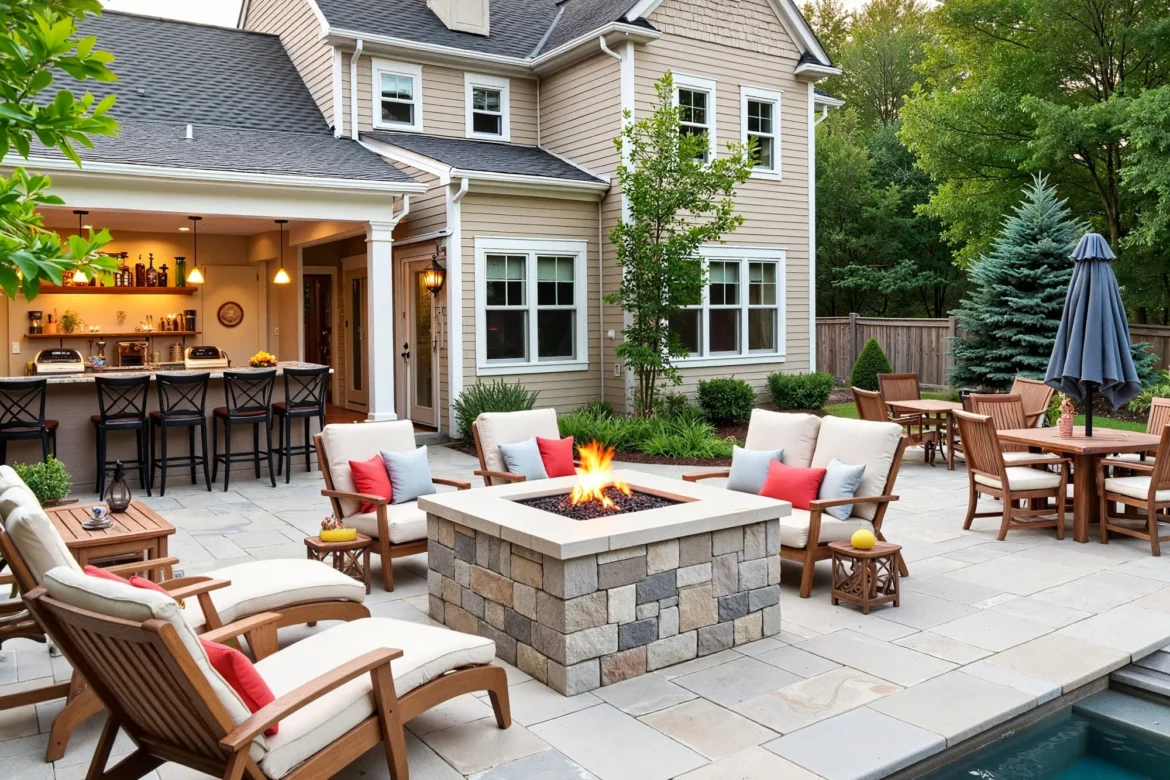
The British garden is no longer just a patch of grass to be mown on a Saturday morning and grudgingly weeded on a bank holiday. It has undergone a transformation as dramatic as any property renovation on television. It has become an outdoor room, a kitchen, a cinema, and, most importantly, a bar.

Walk through any suburban neighbourhood on a summer evening, and the evidence is all around you. The air smells not just of cut grass and honeysuckle, but of woodsmoke and sizzling burgers. You hear the clink of ice in glasses and the low thrum of conversation drifting over fences. The garden has become the new pub, the new restaurant, the new holiday destination.

This is the great British garden upgrade, and it is a phenomenon born of both necessity and desire. The necessity is financial. A night out has become a luxury, with the cost of drinks, transport, and eating out climbing steadily. The desire is for something more authentic. A night in the garden, surrounded by friends, with music you chose and food you cooked, offers a kind of freedom that a crowded bar never can.

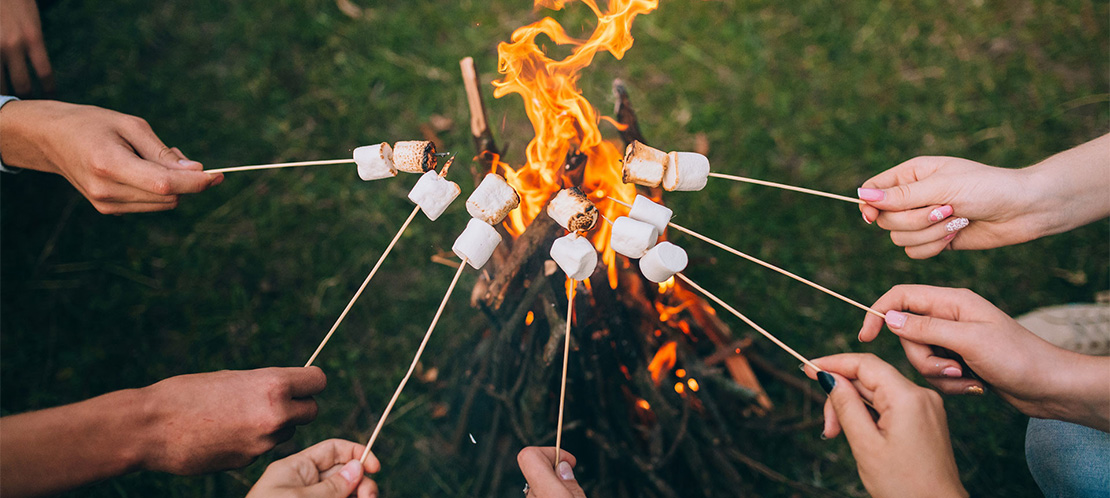
The centrepiece of this outdoor revolution is the fire pit. There is something primal about gathering around a fire. It draws people in, encourages them to sit, to stare into the flames, to talk. It extends the usable hours of the garden deep into the night, taking the chill off an autumn evening and creating a focal point that a patio table never could. Toasting marshmallows, or even just holding your hands out to the warmth, is a simple pleasure that cuts through the complexity of modern life.

Pages: 1 2

Advertisement