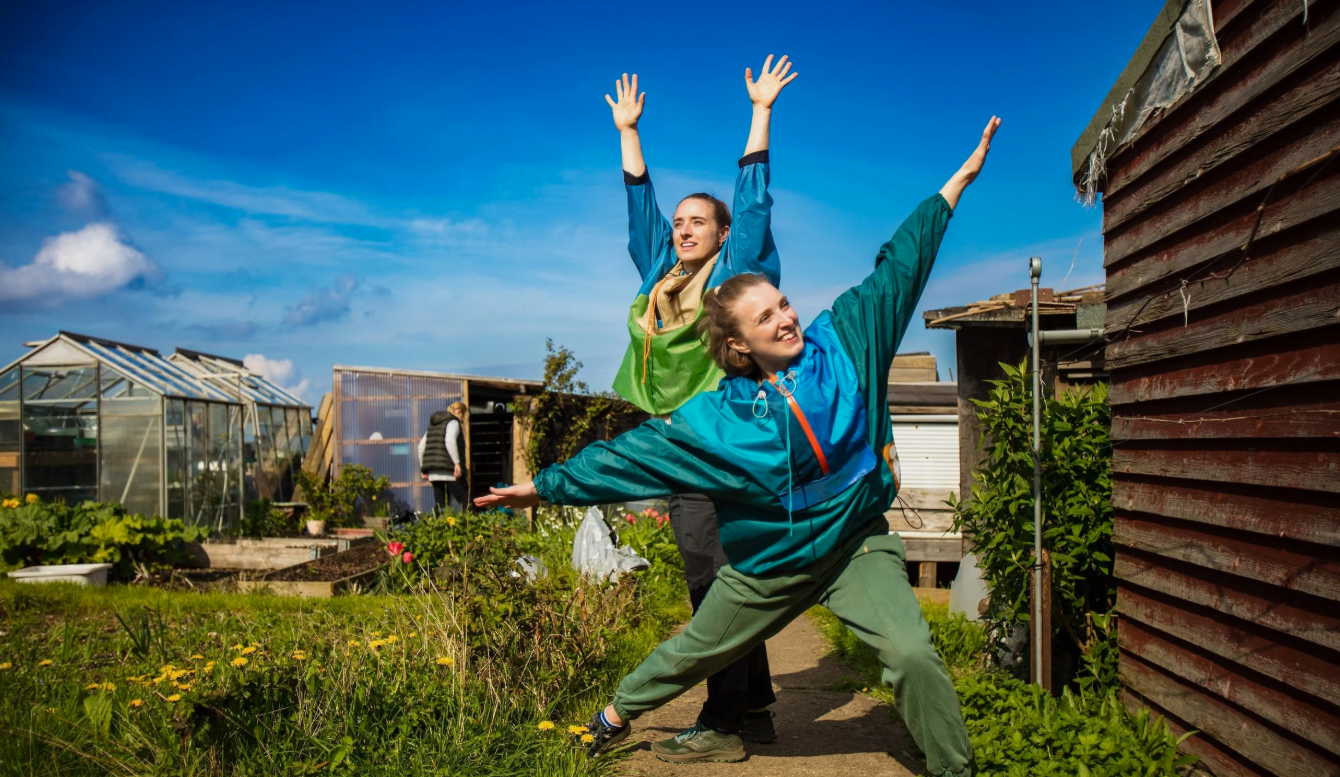
There is a waiting list for almost everything in modern Britain: GP appointments, driving tests, decent rental properties. But one of the longest and most patient waits is for a small patch of land, usually about 250 square metres, often with a slightly dilapidated shed and a shared water tap. The allotment.
Advertisement
To the uninitiated, an allotment might look like hard work. It is digging, weeding, battling slugs, and hauling heavy watering cans. It is a space that demands constant attention and offers no guarantee of a decent crop. And yet, the demand for these plots has never been higher. The allotment revolution is real, and it is about much more than cheap vegetables.
An allotment is a place of escape. For the duration of a few hours, you are not an employee, a parent, a partner, or a taxpayer. You are simply a gardener. Your only concerns are the weather, the soil, and the progress of your runner beans. It is a form of therapy that requires physical effort and yields tangible results. The worries of the office, the stress of the news cycle, the endless admin of daily life – they all fade away as you dig a straight trench or tie in your tomato plants.
It is also a place of profound community. The allotment site is a village in miniature, with its own customs, its own politics, and its own characters. There is the old-timer who has grown prize-winning leeks for forty years and is happy to share advice (whether you want it or not). There is the young family learning to grow food for the first time. There is the couple who spend every weekend in their shed, drinking tea and watching the world go by. You share tips, you swap seedlings, you commiserate over blight, and you celebrate a particularly fine marrow.