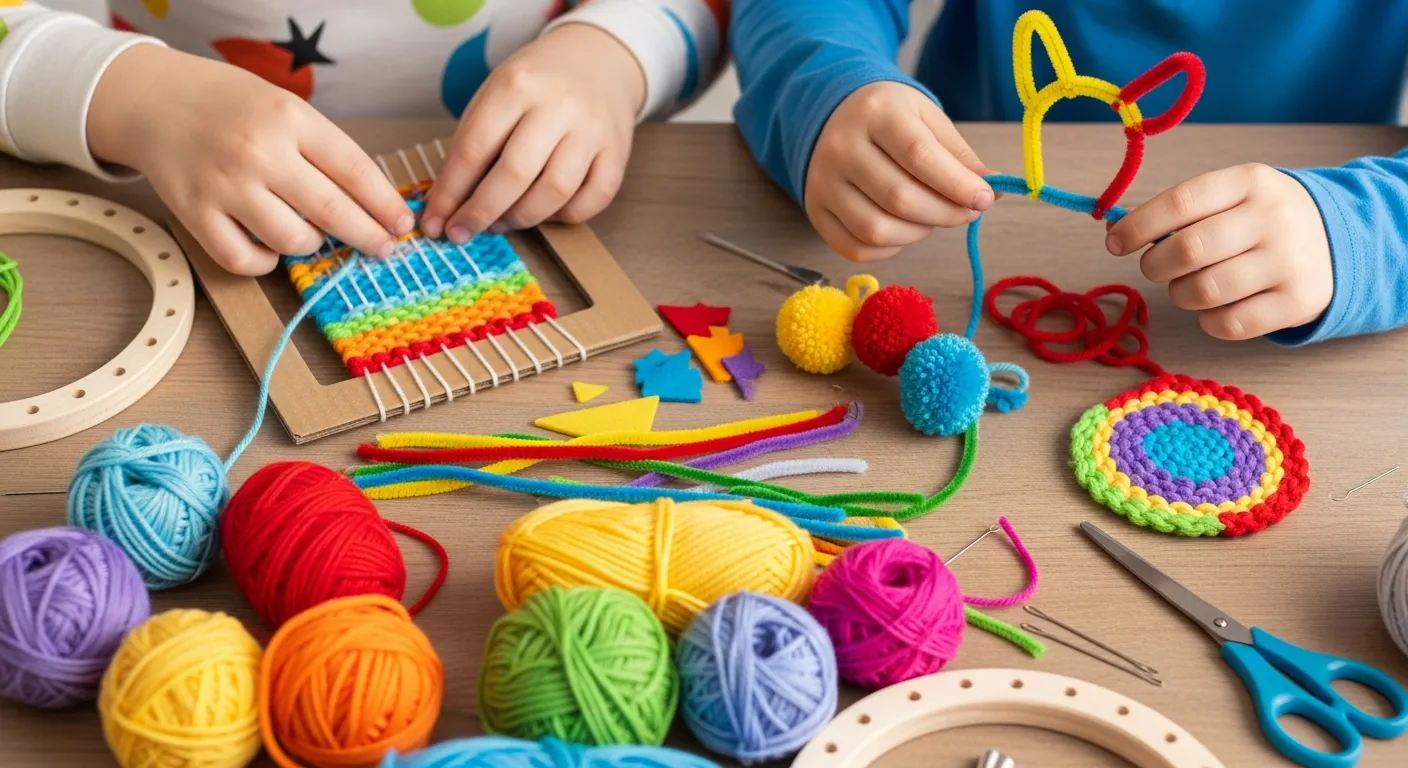
If you had predicted, twenty years ago, that a new generation would be fighting over spinning wheels and pottery wheels, you would have been laughed out of the room. Crafts were supposed to be dying out, preserved only in rural museums and the front rooms of the elderly. But the laugh is on us. From the quiet satisfaction of whittling to the meditative rhythm of the loom, traditional crafts are not just surviving; they are thriving.
Advertisement
This is a comeback that has taken everyone by surprise. The crafts in question are not the quick-and-easy projects of a rainy afternoon. They are the slow, skilled, often difficult disciplines that require patience, practice, and a willingness to fail. We are talking about basket weaving, with its intricate patterns and demanding geometry. We are talking about quilting, which can take months or even years to complete. We are talking about blacksmithing, pottery, bookbinding, and a dozen other skills that seemed destined for obscurity.
So, why now? The answer lies partly in the very nature of the modern world. We live in an age of speed, of instant gratification, of digital experiences that vanish as soon as we scroll past them. In this context, a slow craft is a radical act. To spend hours shaping a pot on a wheel, to spend weeks stitching a quilt, is to declare that some things are worth the time. It is a reclaiming of patience in an impatient age.