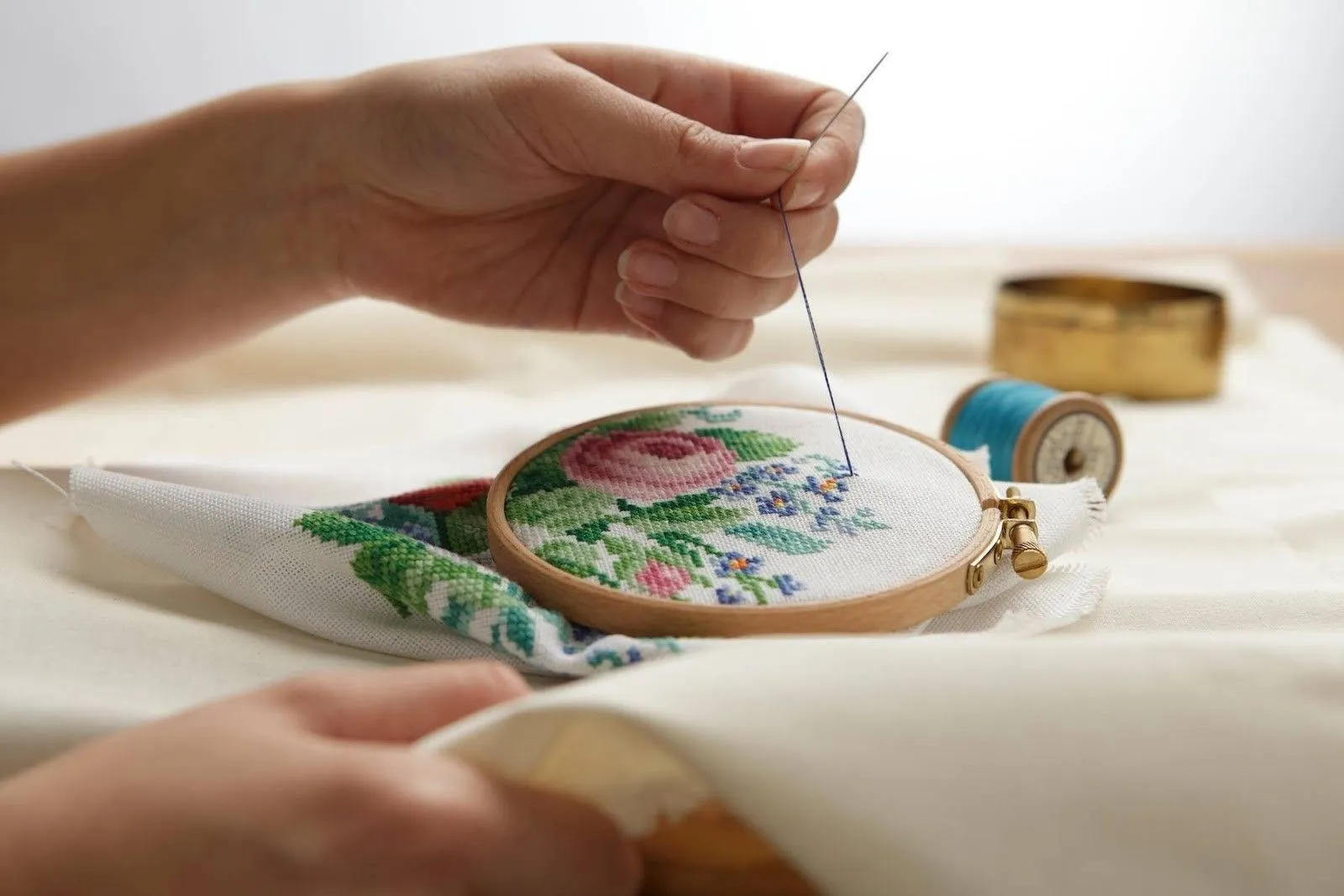
It is one of the great ironies of the modern age. The very technology that was supposed to isolate us, to trap us in our own little digital bubbles, has become the driving force behind one of the most social and tactile movements of our time: the craft renaissance. Social media did not kill the craft fair; it blew it up to global proportions.
Advertisement
Before Instagram and Pinterest, a craft enthusiast could feel very alone. If you were the only person in your friendship group who liked to embroider, or spin wool, or carve spoons, your hobby was a private pursuit. You had your books, your patterns, and maybe a local shop where you could buy supplies. But the community was small, local, and hard to find.
Social media changed everything. Suddenly, you could find your people. A search for #knitting reveals millions of posts, a vast, global tapestry of yarn and creativity. #Handmade is a universe of its own, showcasing everything from delicate jewellery to rustic furniture. You are no longer the only one; you are part of a multitude.
The impact on the crafts themselves has been profound. Techniques that were once passed down through families or local guilds are now shared globally. A dyer in Scotland can post a tutorial on using natural dyes, and a weaver in New Zealand can watch it and learn. A potter in Wales can share a video of throwing a difficult shape, and a beginner in London can study it frame by frame. The knowledge is democratised.