Before the great sourdough frenzy of 2020, there was Mary Berry. For decades, she stood in a softly lit television studio, her silver hair immaculate, her judging gentle but firm, showing us how to coax a sponge cake into submission. She was the nation’s favourite aunt, the one who believed that a tray of perfectly iced buns could solve most of life’s problems. And in a strange way, she was right.
Advertisement
The journey of baking from a slightly fusty domestic chore to a national obsession and a form of therapy is one of the most delicious stories in modern British culture. It began, perhaps, with the realisation that the act of creating something with our hands could quiet the noise in our heads. When you are weighing flour, creaming butter and sugar, or gently folding in egg whites, there is no room for the scrolling dread of the news feed. There is only the recipe, the ingredients, and the moment.
The science supports this. Baking demands a particular kind of focus. It is a series of small, repeatable tasks that ground us in the physical world. The smell of yeast blooming in warm milk, the sight of dough doubling in size under a tea towel, the sound of a loaf crackling as it cools – these are small sensory pleasures that anchor us. It is mindfulness, but with a tangible reward at the end.
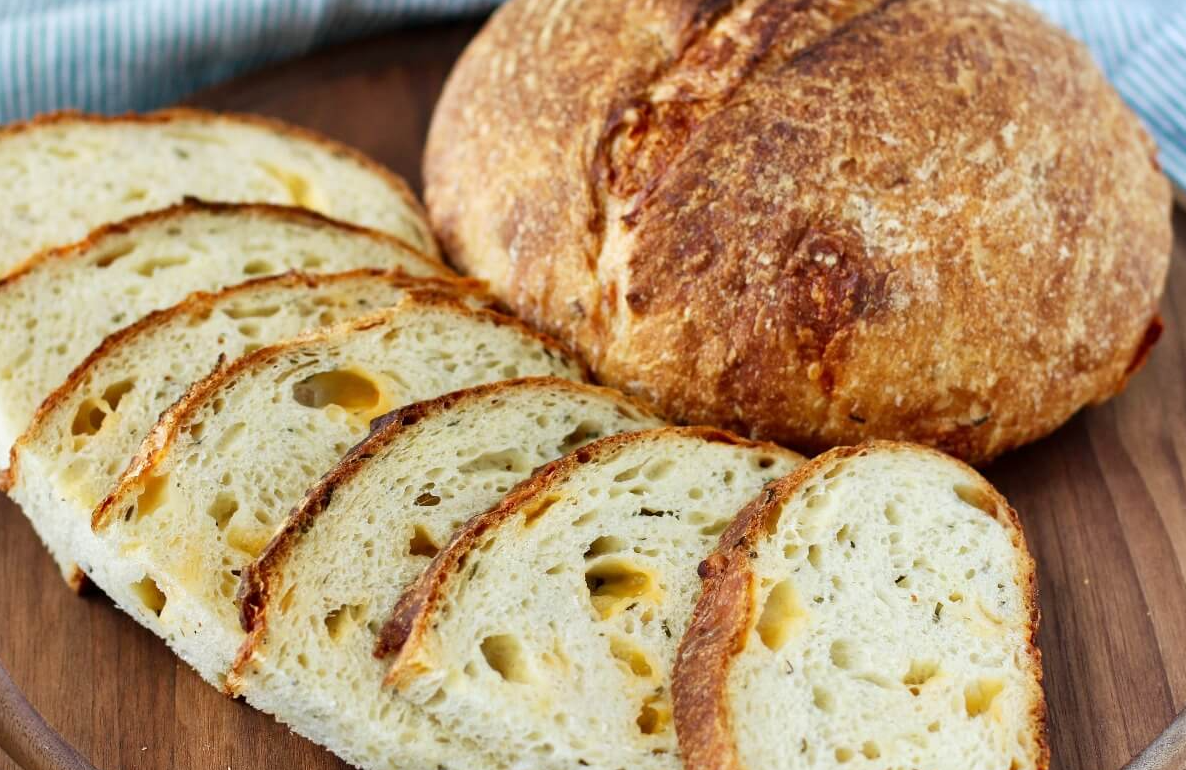
The pandemic merely accelerated a trend that was already simmering. When the world shut down, and the supermarkets’ flour shelves stood empty like a scene from a dystopian novel, we didn’t just want bread; we needed to make it. Sourdough became the ultimate project. We nurtured our starters like pets, gave them names, and fretted over their feeding schedules. It was a living thing in a house suddenly empty of human contact. It gave structure to formless days and a sense of accomplishment when so much felt out of control.