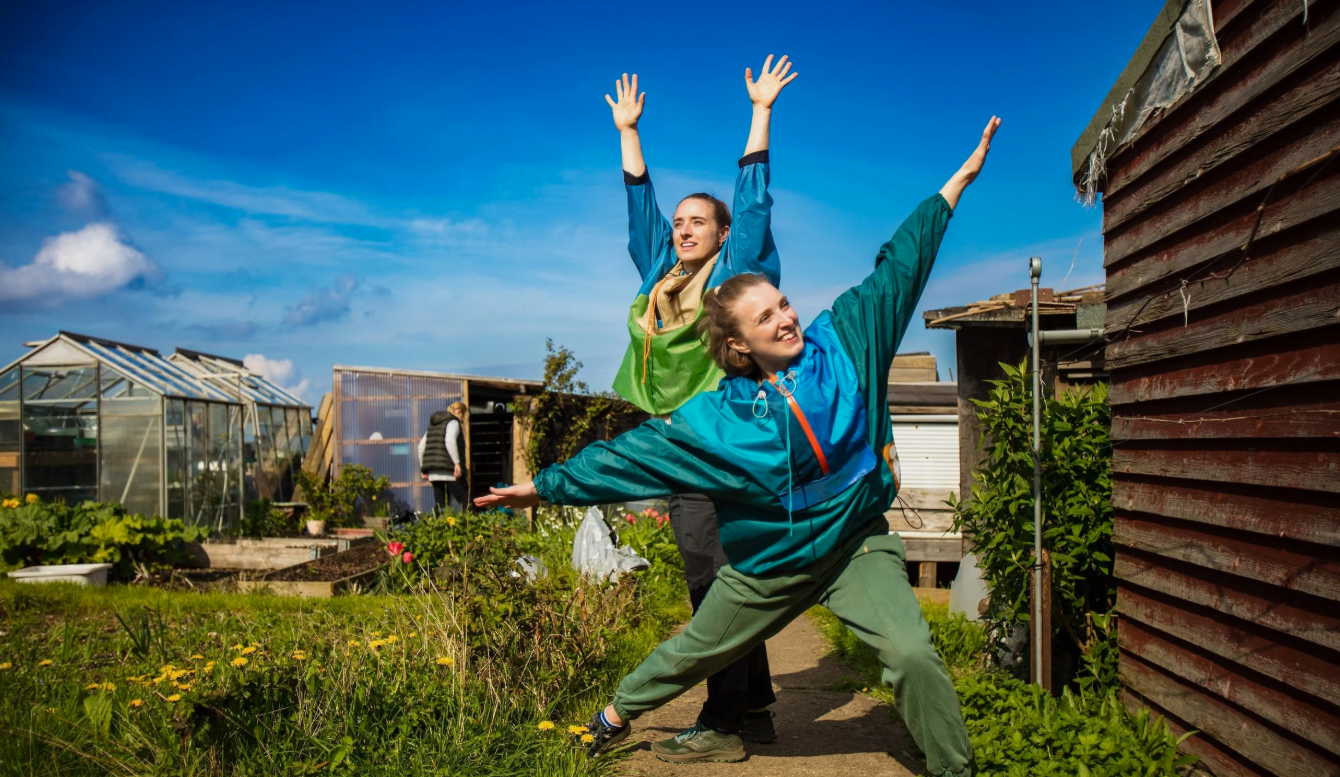
There is a deep satisfaction in eating food you have grown yourself. A potato that you planted, nurtured, and dug up tastes different from a supermarket one. It tastes of soil and sun and effort. It connects you to the seasons in a way that the endless, identical produce of the supermarket never can. You know when it rained, when it was dry, and when the pigeons finally got to your cabbages.
Advertisement
The allotment revolution is also a quiet act of self-sufficiency. In a world of fragile supply chains and anonymous food production, growing your own is a small assertion of control. It is a reminder that, at its most basic level, food comes from the ground, not from a plastic packet. It is a skill that feels both ancient and urgently modern.
So, the waiting lists grow. People wait years for the call that tells them a plot is available. And when they finally get it, they don’t just get a patch of earth. They get a sanctuary, a community, and a connection to something real. They get an allotment.