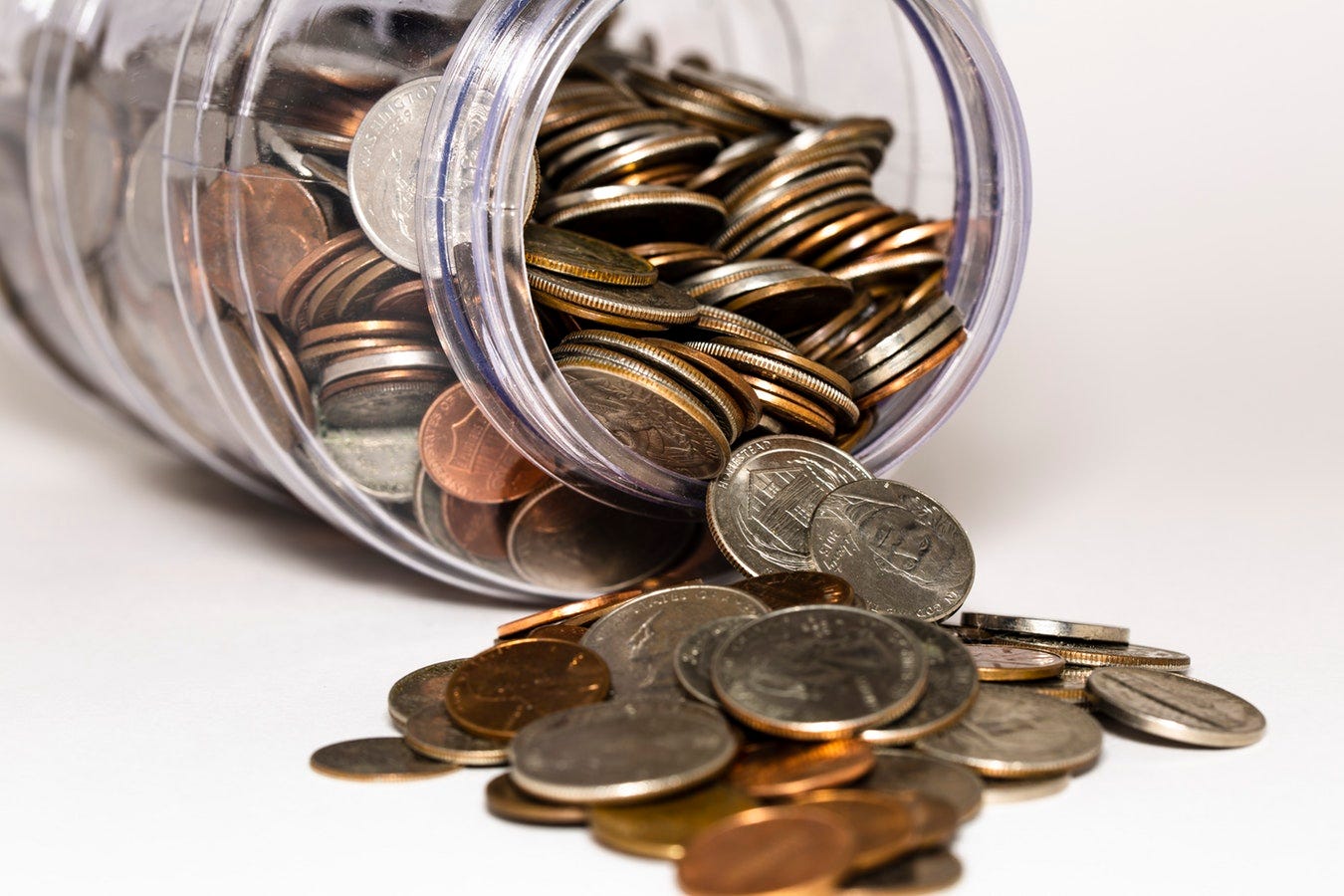
And part of it, increasingly, is the investment potential. In a world of volatile stock markets and low interest rates, tangible assets like collectables have become an alternative investment. Rare items have held their value, and often increased, over decades. The collector is also, whether they admit it or not, an investor.
Advertisement
The stories of lucky finds are the stuff of legend. The stamp album bought for a few pounds at a house clearance, containing a rare Penny Black worth thousands. The box of old toys found in the attic, including a pristine 1960s doll that pays for a new car. These stories fuel the dream that every collector harbours: that the next rummage, the next bid, the next discovery, could be the big one.
But for most collectors, the money is secondary. The real reward is the pleasure of the pursuit, the satisfaction of completing a set, the joy of owning something rare and beautiful. The money is just a bonus. A peculiar pastime, it turns out, can also be a rather prudent one.