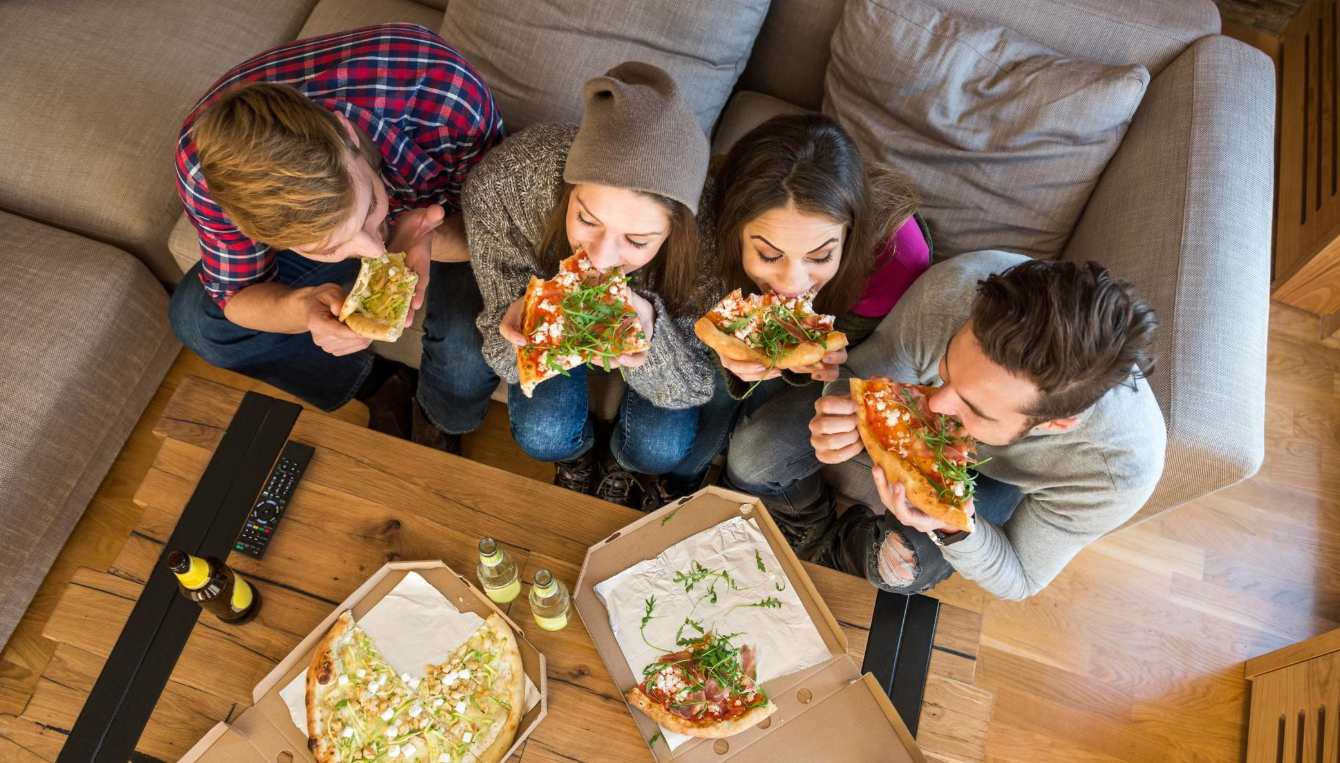
This shift has also reshaped our relationship with our living spaces. The formal “front room,” once a dusty museum of furniture no one was allowed to sit on, is dead. In its place, we have open-plan kitchens where the cook is part of the party, and gardens that are heated and lit like an outdoor room. We are investing in our homes not as assets to be sold, but as stages for our lives. We want a house that works for a dinner party for twelve, a lazy Sunday with board games, or a cocktail evening on the patio. We want a home that feels like us.
Advertisement
The British have always had a slightly awkward relationship with entertaining. There is the infamous “cheese and wine” party of the 1970s, the fondue sets of the 80s, and the tragic, over-catered buffet of the 90s. But what we are seeing now is a new confidence. We are borrowing from the Mediterranean tradition of long, lazy lunches and the Scandinavian concept of “hygge,” but we are filtering it through a very British lens. We put the kettle on, we offer a biscuit, and we figure it out from there.
And perhaps that is the heart of it. In a world that feels increasingly fractured and digital, the act of inviting someone into your home is a radical act of connection. It is a statement of trust, an offering of your time and your space. It is the kettle, that most humble of appliances, boiling away on the hob, promising warmth, comfort, and the simple, irreplaceable pleasure of being together.