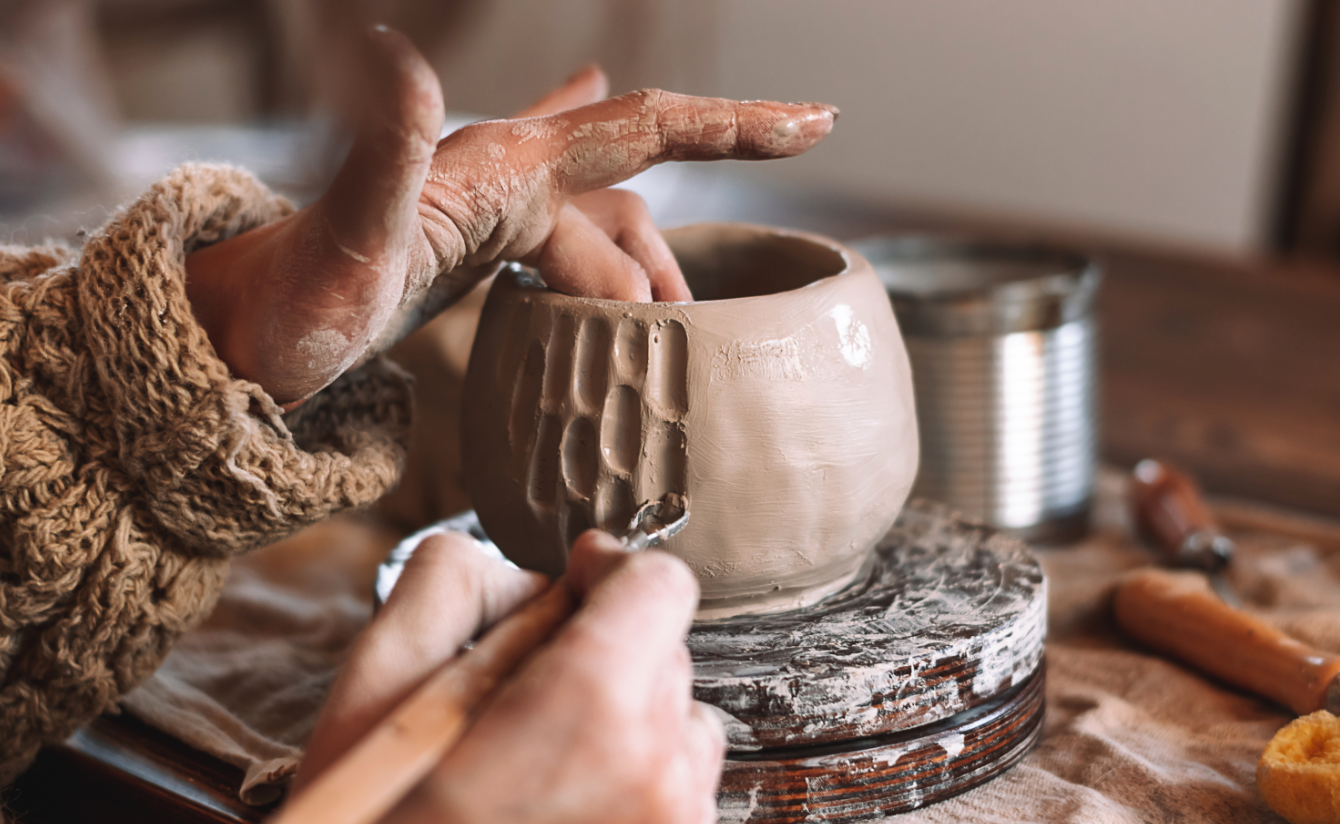
And then there is the sheer, unadulterated pride of it. There is a moment, when you finish a project, that is unlike any other. You hold it in your hands – a wonky pot, a slightly lopsided scarf, a photograph you framed yourself – and you know its every flaw. You know where the stitch dropped, where the glaze bubbled, where the focus was soft. And you love it anyway, because those flaws are yours. They are the proof that a human hand made this, not a machine.
Advertisement
This revival is also deeply social, thanks to the very technology that was supposed to isolate us. Social media has become a vast, global craft fair. #Handmade links millions of makers, sharing patterns, offering encouragement, and celebrating each other’s work. A knitter in Cornwall can learn from a dyer in Scotland. A potter in Wales can sell to a collector in London. The community is vast, supportive, and endlessly inspiring.
The “Great British Make-Off” isn’t a competition with winners and losers. It is a collective rediscovery of a fundamental human impulse. We are creatures who make things. For centuries, that was how we survived. Now, it is how we thrive. It is how we express ourselves, how we calm our minds, and how we connect with a longer, slower tradition of human creativity.
So, whether you are stitching a quilt, throwing a pot, or simply learning to darn your socks, you are part of something bigger. You are part of a quiet rebellion against the disposable. You are making your mark on the world, one stitch, one brushstroke, one careful cut at a time.