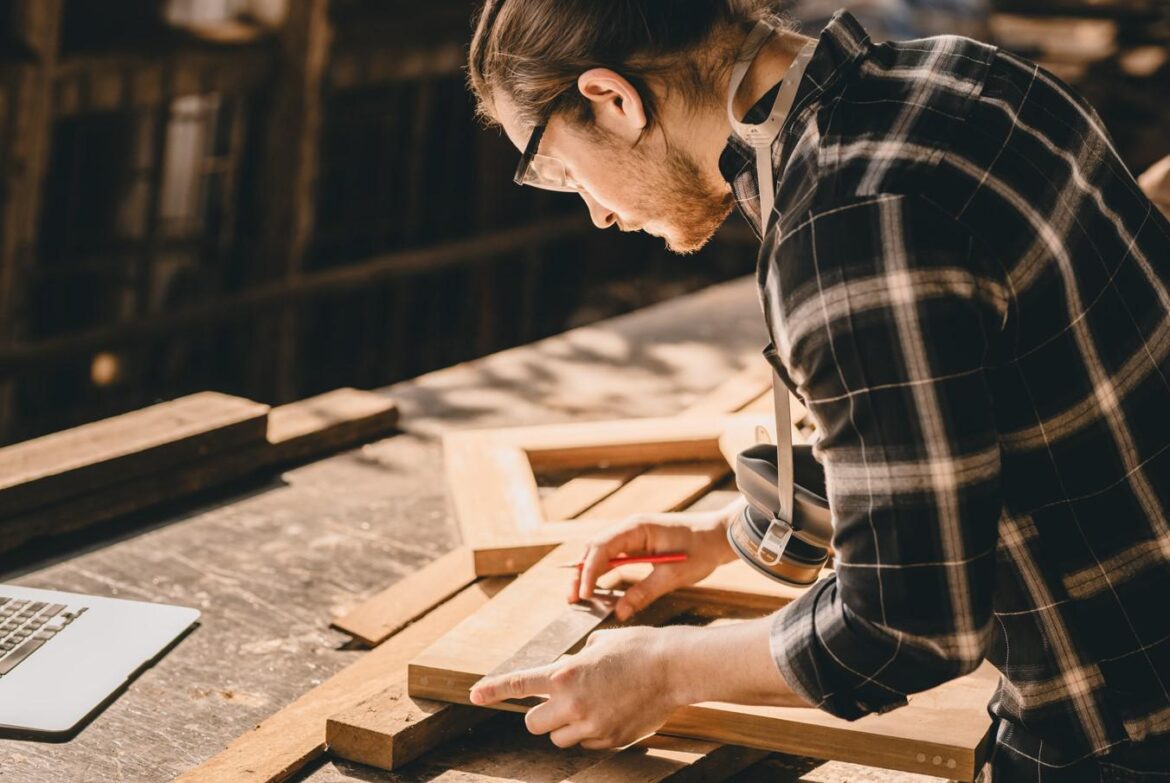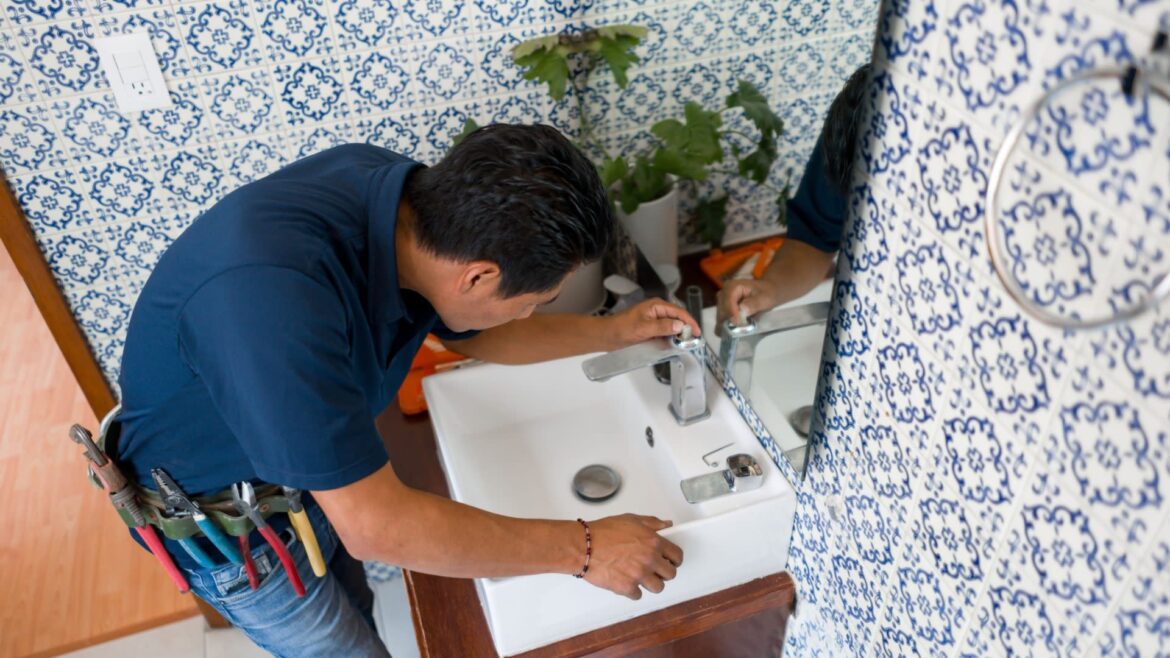
Let us paint a picture. It is a Saturday afternoon. A young homeowner, let’s call him Tom, has decided to hang a shelf. He has no drill, so he uses a hammer and a large screwdriver. The screwdriver slips, gouging a chunk out of the plasterboard. Undeterred, he attempts to hammer the screw in directly. The plasterboard crumbles. The shelf will not stay up. He stands back, surveys the damage, and considers using superglue. This is the face of the modern DIY disaster.
It is a scene being repeated in homes across Britain, and the culprit is not a lack of effort, but a lack of tools and know-how. Research has shown that a significant proportion of adults under 40 do not own a basic toolkit. When something breaks, they improvise. And improvisation, in the world of home maintenance, is a recipe for disaster.
The stories are legendary. The kitchen knife used as a screwdriver (and subsequently broken). The rolling pin used as a hammer (the rolling pin lost). The credit card used to scrape paint (the credit card snapped). The washing machine repair attempted with a butter knife and a prayer (the washing machine now irreparable). These are not just tales of domestic incompetence; they are expensive mistakes.