
barchquete.com
Make & Create

The Mindfulness of Making: Why Creating Things Heals the Soul

by cms@editor March 4, 2026
written by cms@editor

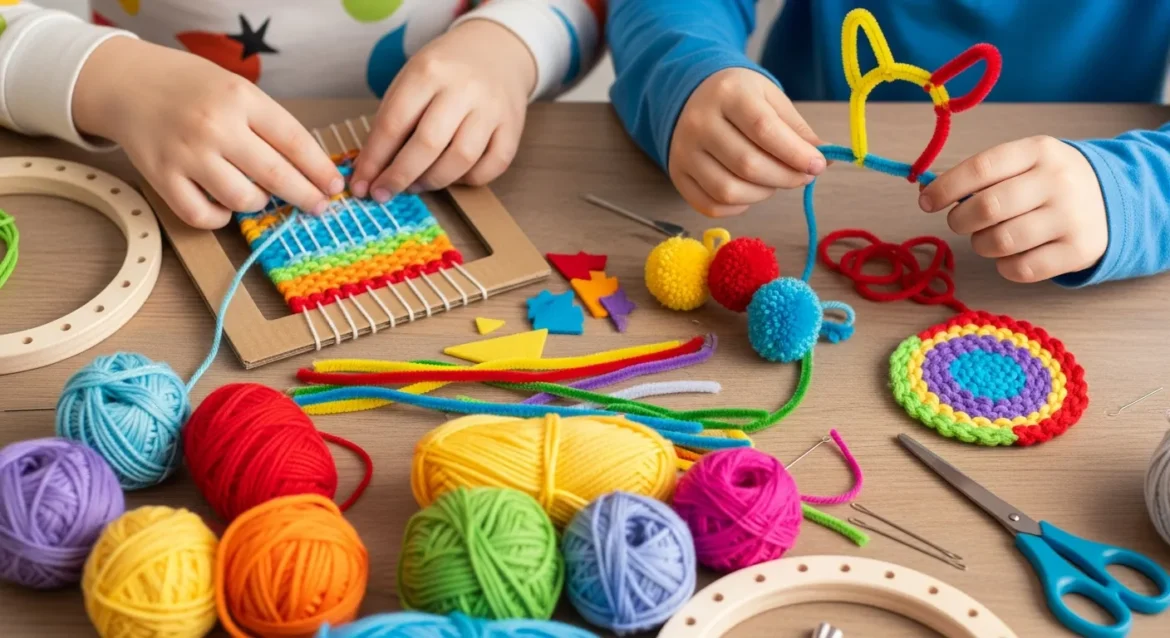
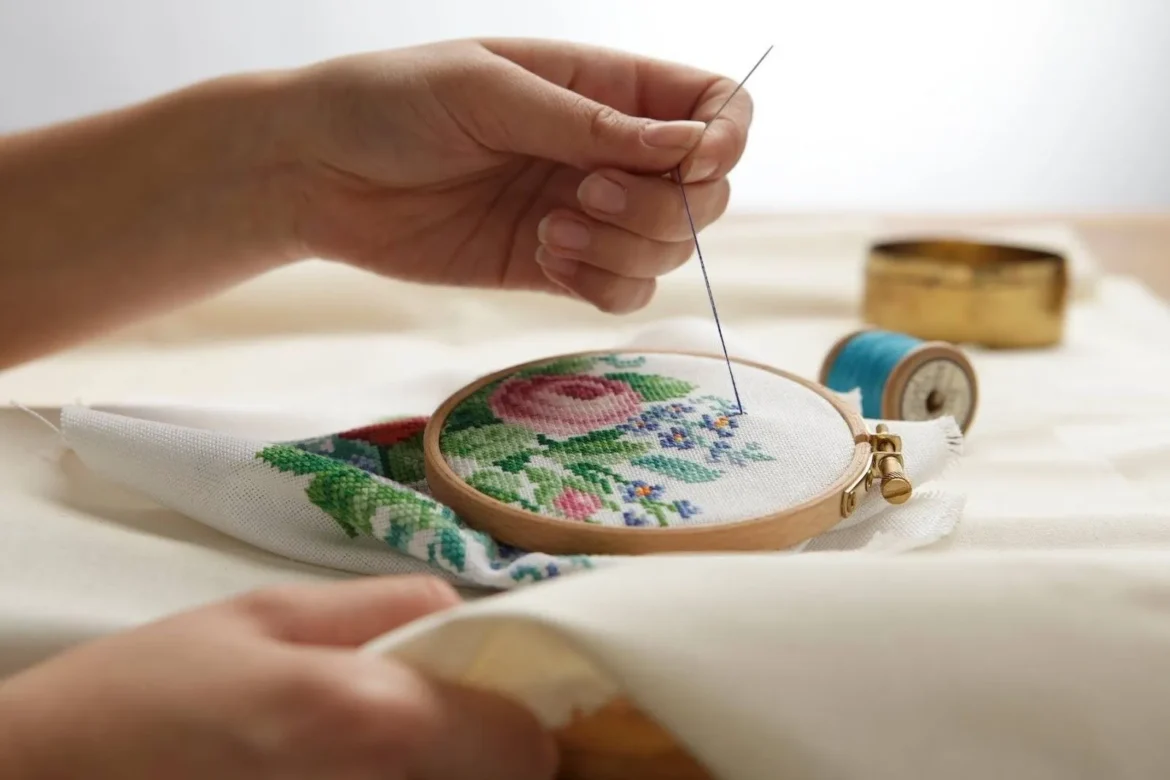
There is a reason why, in moments of stress or sadness, our hands often seek out something to do. We might find ourselves doodling on a scrap of paper, kneading bread dough with unnecessary vigour, or picking up a dropped stitch and slowly working it back into place. The hands, it seems, know things that the mind has forgotten. They know how to heal.

This is the mindfulness of making. It is the recognition that the act of creating something with our hands is not just a pleasant way to pass the time; it is a profound form of therapy. It is a way of quieting the anxious chatter of the mind, of grounding ourselves in the present moment, of finding a peace that cannot be achieved by thinking alone.

The science behind this is increasingly well understood. When we engage in a repetitive, focused activity like knitting, whittling, or throwing a pot, our brain waves begin to shift. The frantic beta waves of active, anxious thinking give way to the calmer alpha and theta waves associated with relaxation and meditation. The body’s stress response calms. Heart rate slows. Breathing deepens. We enter a state of “flow,” where we are so completely absorbed in what we are doing that the rest of the world falls away.

Pages: 1 2

Make & Create

From Hobby to Business: The Dreamers Who Quit Their Day Jobs

by cms@editor March 4, 2026
written by cms@editor

It is the dream that flickers in the mind of every hobbyist, usually late at night, when a project has gone particularly well. The dream of quitting the day job. Of swapping the commute for the kitchen table, the office politics for the potting shed, the endless meetings for the quiet focus of the craft. For a surprising number of people, that dream has become a reality.

The stories are as varied as the crafts themselves. There is the accountant who started making jewellery in her spare time, selling a few pieces to friends, and now runs a successful online shop with a waiting list. There is the teacher who always loved woodwork, who began by making furniture for his own home, and now takes commissions from across the country. There is the nurse who knitted to relax, whose baby blankets became so popular that she now supplies a chain of boutiques.

The journey from hobby to business is rarely straightforward. It is a path paved with late nights, financial anxiety, and a steep learning curve. You may be a brilliant potter, but are you a brilliant marketer, accountant, and customer service representative? The skills that make a good hobbyist are not the same as the skills that make a good business owner.

Pages: 1 2

Make & Create

Turning Tweets into Tapestries: How Social Media Fueled the Craft Renaissance

by cms@editor March 4, 2026
written by cms@editor

It is one of the great ironies of the modern age. The very technology that was supposed to isolate us, to trap us in our own little digital bubbles, has become the driving force behind one of the most social and tactile movements of our time: the craft renaissance. Social media did not kill the craft fair; it blew it up to global proportions.

Before Instagram and Pinterest, a craft enthusiast could feel very alone. If you were the only person in your friendship group who liked to embroider, or spin wool, or carve spoons, your hobby was a private pursuit. You had your books, your patterns, and maybe a local shop where you could buy supplies. But the community was small, local, and hard to find.

Social media changed everything. Suddenly, you could find your people. A search for #knitting reveals millions of posts, a vast, global tapestry of yarn and creativity. #Handmade is a universe of its own, showcasing everything from delicate jewellery to rustic furniture. You are no longer the only one; you are part of a multitude.

The impact on the crafts themselves has been profound. Techniques that were once passed down through families or local guilds are now shared globally. A dyer in Scotland can post a tutorial on using natural dyes, and a weaver in New Zealand can watch it and learn. A potter in Wales can share a video of throwing a difficult shape, and a beginner in London can study it frame by frame. The knowledge is democratised.

Pages: 1 2

Make & Create

Click, Craft, Cash: How Photography Became Britain’s Most Beloved Hobby

by cms@editor March 4, 2026
written by cms@editor

It starts with a click. That simple, satisfying sound of a shutter opening and closing has become the most ubiquitous noise of modern life. We photograph our food, our friends, our cats, our holidays, our sunsets. We document everything. And in doing so, we have turned photography into Britain’s most beloved, and most surprising, hobby.

The surprise lies in its accessibility. A generation ago, photography was a technical pursuit. You needed a decent camera, you needed to understand aperture and shutter speed, you needed to buy film and wait days for it to be developed. Now, everyone carries a camera in their pocket. The smartphone has democratised photography, turning us all into potential image-makers. The barrier to entry is zero.

But accessibility has not diminished the passion; it has fuelled it. For millions, photography is no longer just about recording a moment; it is about creating one. We learn about composition, about lighting, about editing. We chase the “golden hour” just before sunset. We get down on our knees for a low angle, or climb on chairs for a better view. We have become students of light.

The reasons we do it are as varied as the images we create. For some, it is about memory, a way of freezing time and holding onto moments that would otherwise slip away. For others, it is about art, a way of seeing beauty in the everyday and sharing that vision. For many, it is about connection, a way of sharing our lives with others, near and far.

Pages: 1 2

Make & Create

Beyond Knitting: The Traditional Crafts Making a Surprise Comeback

by cms@editor March 4, 2026
written by cms@editor

If you had predicted, twenty years ago, that a new generation would be fighting over spinning wheels and pottery wheels, you would have been laughed out of the room. Crafts were supposed to be dying out, preserved only in rural museums and the front rooms of the elderly. But the laugh is on us. From the quiet satisfaction of whittling to the meditative rhythm of the loom, traditional crafts are not just surviving; they are thriving.

This is a comeback that has taken everyone by surprise. The crafts in question are not the quick-and-easy projects of a rainy afternoon. They are the slow, skilled, often difficult disciplines that require patience, practice, and a willingness to fail. We are talking about basket weaving, with its intricate patterns and demanding geometry. We are talking about quilting, which can take months or even years to complete. We are talking about blacksmithing, pottery, bookbinding, and a dozen other skills that seemed destined for obscurity.

So, why now? The answer lies partly in the very nature of the modern world. We live in an age of speed, of instant gratification, of digital experiences that vanish as soon as we scroll past them. In this context, a slow craft is a radical act. To spend hours shaping a pot on a wheel, to spend weeks stitching a quilt, is to declare that some things are worth the time. It is a reclaiming of patience in an impatient age.

Pages: 1 2

Outdoors

Fire Pits and Starry Nights: Why We’re Staying Home to Watch the Sunset

by cms@editor March 4, 2026
written by cms@editor

There is a particular quality to a British sunset in late summer. The light softens, turns golden, and stretches the shadows long across the grass. The air cools, and the smells of the day – cut grass, warm earth, the last of the barbecue smoke – become more distinct. And more and more of us are choosing to be at home to see it.

The evening garden has become a destination in itself. The day’s work is done, the demands are paused, and there is a precious hour or two of daylight left. Instead of heading out, we are heading into the garden. We are lighting the fire pit, opening a bottle of something cold, and simply watching the day end.

There is a romance to this that is hard to overstate. It is a deliberate act of slowing down, of carving out a space for stillness in a busy life. We are so often rushing towards the next thing, the next appointment, the next obligation. To sit and watch the sun go down is to refuse to rush. It is to declare that this moment is enough.

The fire pit is the catalyst. It provides warmth as the temperature drops, but it also provides a focus. We are drawn to fire. We stare into it, mesmerised. It encourages conversation that is slower, deeper, more reflective than the chatter of a dinner table. Or it encourages comfortable silence, the kind that only exists between people who don’t need to fill every moment with words.

Pages: 1 2

Outdoors

The Allotment Revolution: More Than Just a Patch of Earth

by cms@editor March 4, 2026
written by cms@editor

There is a waiting list for almost everything in modern Britain: GP appointments, driving tests, decent rental properties. But one of the longest and most patient waits is for a small patch of land, usually about 250 square metres, often with a slightly dilapidated shed and a shared water tap. The allotment.

To the uninitiated, an allotment might look like hard work. It is digging, weeding, battling slugs, and hauling heavy watering cans. It is a space that demands constant attention and offers no guarantee of a decent crop. And yet, the demand for these plots has never been higher. The allotment revolution is real, and it is about much more than cheap vegetables.

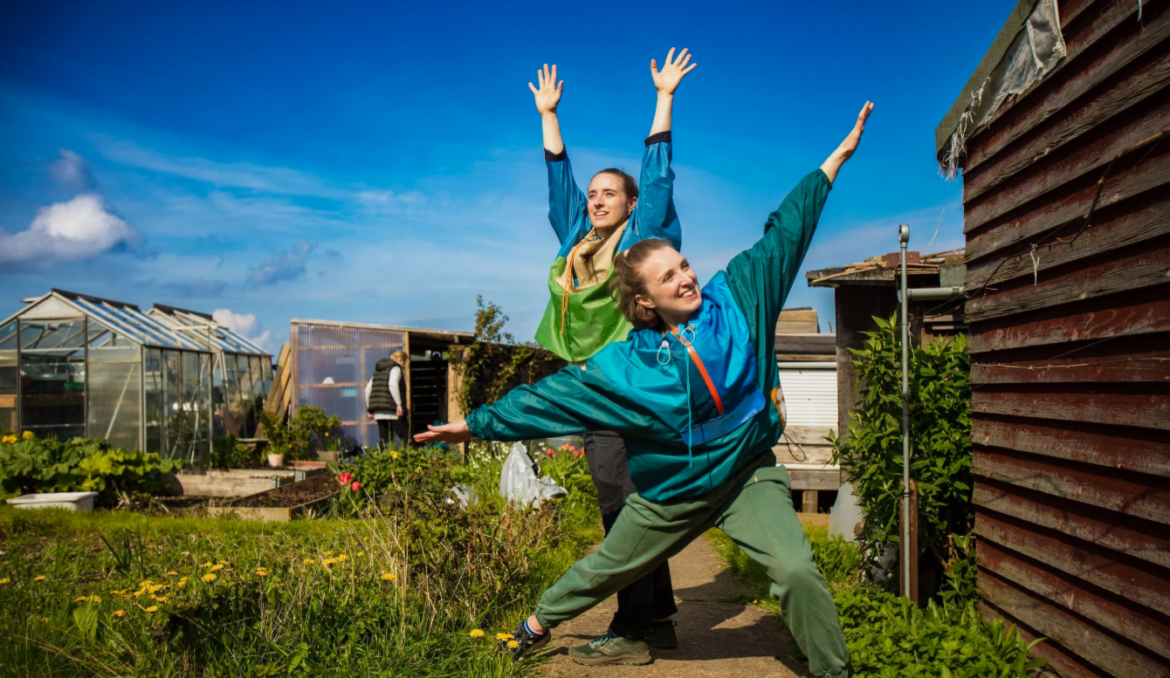
An allotment is a place of escape. For the duration of a few hours, you are not an employee, a parent, a partner, or a taxpayer. You are simply a gardener. Your only concerns are the weather, the soil, and the progress of your runner beans. It is a form of therapy that requires physical effort and yields tangible results. The worries of the office, the stress of the news cycle, the endless admin of daily life – they all fade away as you dig a straight trench or tie in your tomato plants.

It is also a place of profound community. The allotment site is a village in miniature, with its own customs, its own politics, and its own characters. There is the old-timer who has grown prize-winning leeks for forty years and is happy to share advice (whether you want it or not). There is the young family learning to grow food for the first time. There is the couple who spend every weekend in their shed, drinking tea and watching the world go by. You share tips, you swap seedlings, you commiserate over blight, and you celebrate a particularly fine marrow.

Pages: 1 2

Outdoors

Beyond the Bird Box: The Teens Building Homes for Wildlife

by cms@editor March 4, 2026
written by cms@editor

In the town of Wokingham, something remarkable is happening in a nondescript community workshop. The air smells of sawdust and wood glue, and the sound of power tools is punctuated by laughter and the occasional curse. This is not a professional joinery, but a project that is quietly changing the lives of both teenagers and local wildlife.

A group of young people, some with an interest in woodwork, others just looking for something to do, are building homes. Not for people, but for the creatures that share their urban environment. Bird boxes, of course, but also hedgehog houses, bug hotels, and bat roosts. They are learning to measure, to saw, to assemble, and to finish. They are learning that their hands can create things of value.

The project began with a simple observation: that many young people have lost touch with practical skills. In a world of screens and instant gratification, the ability to make something from scratch, to follow a plan and solve a problem with wood and nails, is becoming rare. At the same time, urban wildlife is struggling. Gardens are paved over, hedgerows are removed, and nesting sites are disappearing. The teenagers in Wokingham are helping to fill the gap.

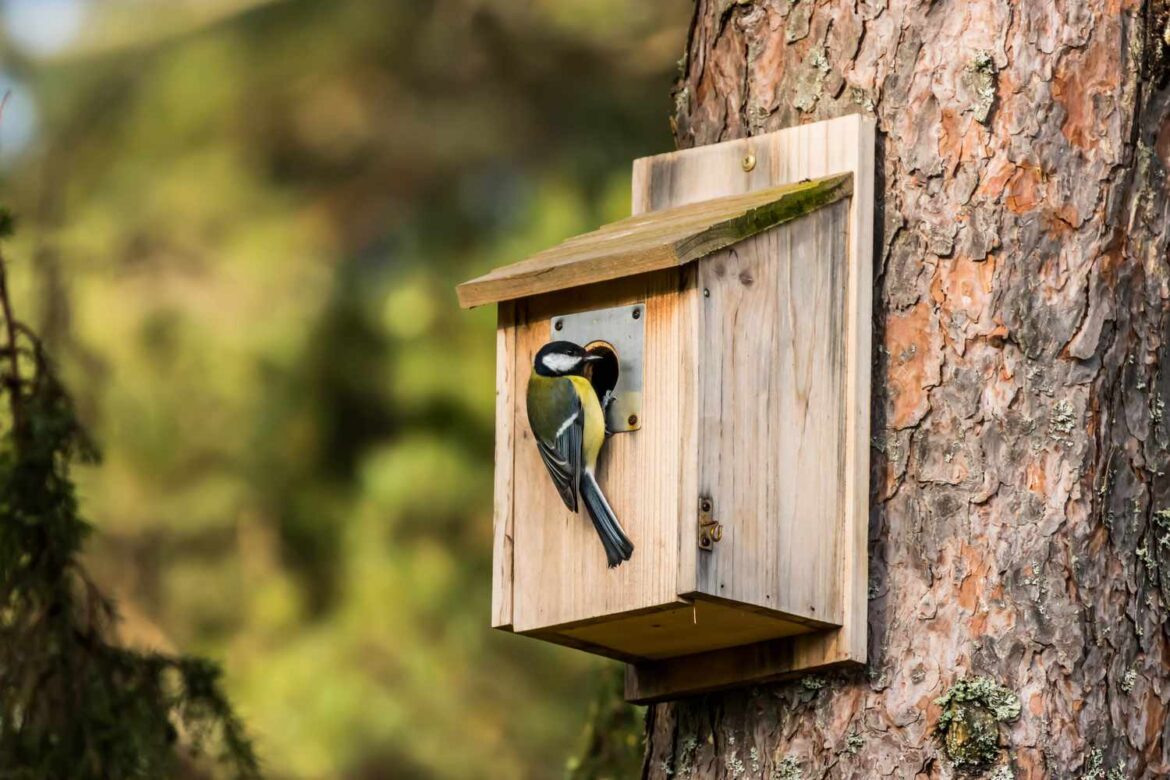
The results have been astonishing. In their first year, they built and installed over 755 habitats across the town. They have learned to tailor their designs to different species – a small hole for a blue tit, a larger one for a starling, a dark, sheltered space for a hedgehog to hibernate. They have learned about the needs of the creatures they are helping, turning a woodwork class into a lesson in ecology and conservation.

Pages: 1 2

Outdoors

National Trust or Netflix? The Quiet Return of Rambling

by cms@editor March 4, 2026
written by cms@editor

There was a time, not so long ago, when the idea of a “walk” was considered deeply unappealing by a significant portion of the population. It was something your parents made you do on wet Sunday afternoons, a punishment involving damp anoraks, soggy sandwiches, and the vague threat of cow-related injury. It was, in a word, boring. Especially compared to Netflix.

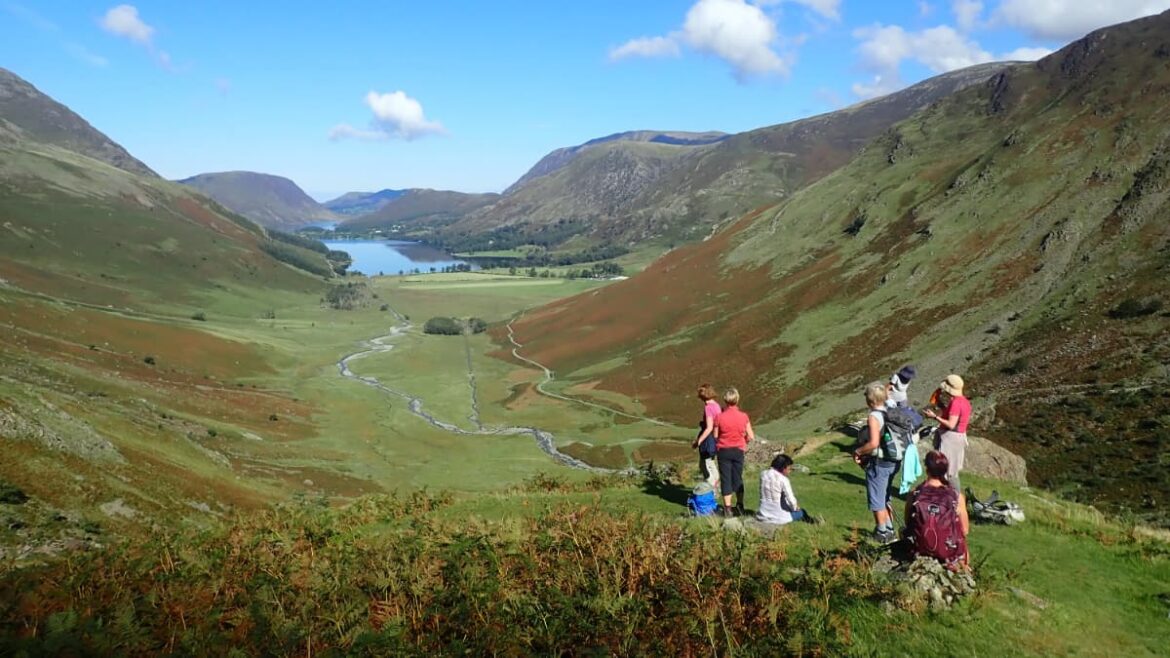
And yet, something curious has happened. The walk is back. Not just a stroll to the shops, but the full-blown, map-consulting, boot-wearing, flask-of-tea-in-the-car-park ramble. The great British countryside, which for years played second fiddle to the attractions of the sofa, is once again drawing crowds.

The reasons for this quiet return are complex. Part of it is a reaction to the digital saturation of our lives. We spend our days staring at screens, our thumbs scrolling, our minds flickering between notifications. A walk offers a complete digital detox. Out on the moors, or in the depths of a wood, there is no signal, no email, no urgent demand for your attention. There is only the path, the sky, and the sound of your own feet on the ground.

The National Trust, that great guardian of the British landscape, has seen its membership swell. Its car parks are full on weekends. Its tea rooms have queues out the door. It is not just about exercising; it is about reconnecting with something fundamental. We are, after all, a nation shaped by our landscape. The rolling hills, the craggy coastlines, the ancient woodlands – they are in our bones. Walking through them is a way of remembering who we are and where we come from.

Pages: 1 2

Outdoors

The Great British Garden Upgrade: Why We’re All Building Outdoor Bars and Fire Pits

by cms@editor March 4, 2026
written by cms@editor

The British garden is no longer just a patch of grass to be mown on a Saturday morning and grudgingly weeded on a bank holiday. It has undergone a transformation as dramatic as any property renovation on television. It has become an outdoor room, a kitchen, a cinema, and, most importantly, a bar.

Walk through any suburban neighbourhood on a summer evening, and the evidence is all around you. The air smells not just of cut grass and honeysuckle, but of woodsmoke and sizzling burgers. You hear the clink of ice in glasses and the low thrum of conversation drifting over fences. The garden has become the new pub, the new restaurant, the new holiday destination.

This is the great British garden upgrade, and it is a phenomenon born of both necessity and desire. The necessity is financial. A night out has become a luxury, with the cost of drinks, transport, and eating out climbing steadily. The desire is for something more authentic. A night in the garden, surrounded by friends, with music you chose and food you cooked, offers a kind of freedom that a crowded bar never can.

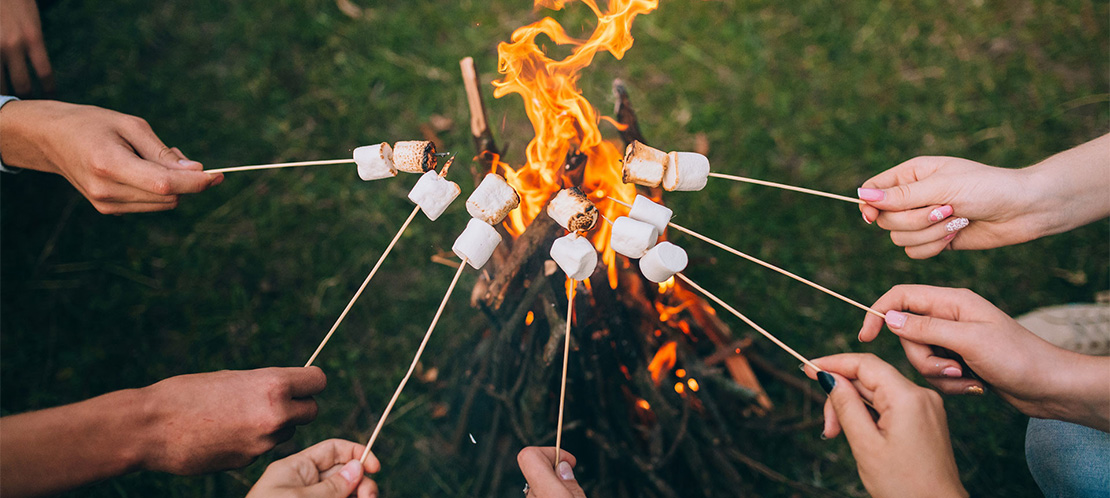
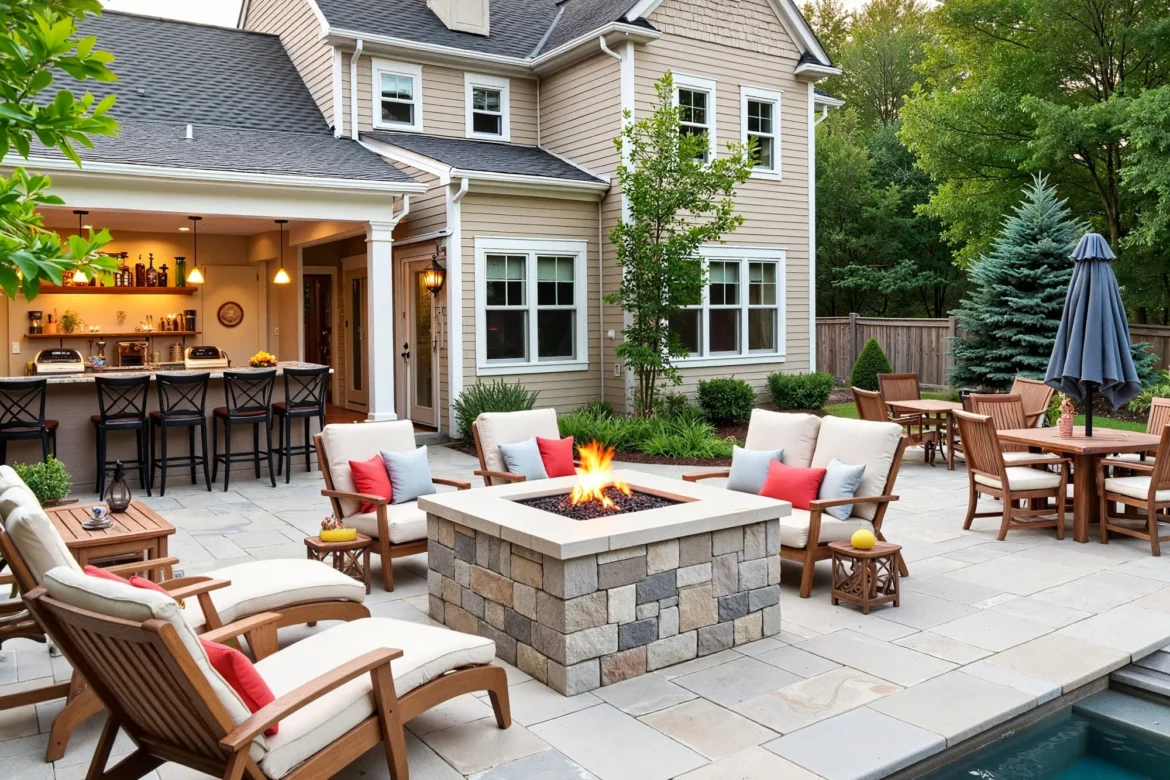
The centrepiece of this outdoor revolution is the fire pit. There is something primal about gathering around a fire. It draws people in, encourages them to sit, to stare into the flames, to talk. It extends the usable hours of the garden deep into the night, taking the chill off an autumn evening and creating a focal point that a patio table never could. Toasting marshmallows, or even just holding your hands out to the warmth, is a simple pleasure that cuts through the complexity of modern life.

Pages: 1 2

Newer Posts
Older Posts

Recent Posts

  • Willow Weavers and Colour-Blind Artists: The Eccentrics Keeping Odd Crafts Alive
  • Blue Peter at 65: The Show That Taught Generations to Create
  • The Return of the Dandy: Why Woodworking and Pottery Are Thriving Again
  • From Penny Black to Azerbaijan: A 1950s Childhood of Collecting
  • Peculiar Pastimes: The Surprising Money in Nostalgic Hobbies

2026

barchquete.com
We use cookies to improve website performance and user experience. If you continue to browse the site, you agree to the use of cookies. You can disable cookies at any time.